

Introduction to Art Forms
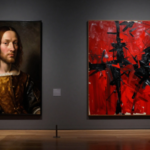
Art is a profound medium of expression that has evolved over the centuries, reflecting the cultural and social dynamics of its time. It can be broadly categorized into two significant forms: traditional art and modern art. Understanding these distinctions is crucial for appreciating their unique attributes and the roles they play in society.
Traditional art encompasses the various practices that have been handed down through generations, often characterized by their adherence to established techniques and cultural motifs. This form of art is deeply rooted in history and often draws inspiration from religious motifs, local customs, and community stories. Traditional artists typically employ specific methods and materials that have significance in their cultural context, allowing them to maintain a connection to their ancestry and traditions.
In contrast, modern art emerged in the late 19th and early 20th centuries as a reaction against the conventions of traditional art. It is marked by experimentation and radical approaches, emphasizing individual expression over collective cultural narratives. Modern artists often utilize a diverse range of materials and techniques, breaking free from classical expectations. Movements such as Impressionism, Cubism, and Abstract art highlight the shift towards personal interpretation and innovation, inviting viewers to engage with art on a more subjective level.
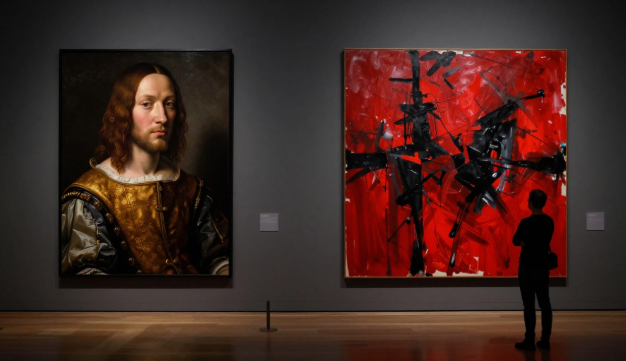
Understanding the key differences between traditional and modern art is pivotal for those seeking to appreciate these diverse forms. Traditional art emphasizes cultural heritage and historical continuity, while modern art champions individual creativity and progressive ideas. As we explore these two art forms in greater depth, we will uncover the vibrant contrasts and overlapping themes that define the artistic landscape.

Historical Context of Traditional Art
Traditional art has roots that stretch back to ancient civilizations, encompassing a rich tapestry of cultural expressions unique to different societies. The origins of traditional art can be traced to early forms of communication, where humans used tools such as sticks and ochers to create rudimentary forms of drawings on cave walls. These early artistic endeavors not only served decorative purposes but also acted as vital vessels for storytelling, religious expressions, and documenting human experiences.
In ancient Egypt, for instance, the hieroglyphs illustrated their beliefs and societal norms, revealing the significance of art in governance and spirituality. Similarly, traditional Chinese art, which emphasizes harmony with nature and philosophical concepts, showcases techniques such as brushwork that have been cultivated over centuries. The use of ink and paper in Chinese calligraphy illuminates the deep cultural values associated with artistic practice.
Throughout history, various materials and techniques have characterized traditional art forms. In Africa, the creation of sculptures using wood and ivory reflects ancestral reverence, serving both spiritual and communal purposes. Indigenous American art, often created using natural pigments and local materials, showcases the strong connection between the artists and their respective environments, emphasizing themes of nature and identity.
European traditional art evolved significantly through movements such as the Renaissance, where the revival of classical techniques and perspectives marked a profound transformation in artistic expression. Artists like Leonardo da Vinci utilized oil paints to enhance realism, leading to a lasting impact on the portrayal of human figures and landscapes.
The cultural significance of traditional art remains immensely important, as it offers insights into the values, practices, and ideologies of past civilizations. Each region has its own distinct narrative, which serves as a testament to the diversity and depth of human creativity throughout centuries.
Historical Context of Modern Art
Modern art emerged in the late 19th and early 20th centuries as a response to the rapid changes associated with industrialization, urbanization, and the socio-political upheaval of the time. Artists sought to break free from traditional conventions, exploring new forms of expression that reflected the complexities of contemporary life. This movement marked a radical departure from the techniques and subjects that characterized previous art forms.
In the late 1800s, Impressionism emerged as a significant movement, characterized by its focus on capturing fleeting moments and the effects of light. Artists such as Claude Monet and Edgar Degas embraced loose brushwork and vibrant colors to depict everyday scenes, revolutionizing the perception of art. This period not only altered artistic techniques but also influenced societal views on art, making it more accessible to the public.
As the 20th century progressed, new movements such as Cubism began to challenge traditional perspectives. Pioneered by figures like Pablo Picasso and Georges Braque, Cubism fragmented objects into geometric shapes and represented multiple viewpoints within a single composition. This movement signified a shift towards abstraction, where artists prioritized ideas over realistic representation, thereby questioning the essence of visual perception.
Abstract Expressionism followed, further emphasizing the spontaneity and emotional intensity of art. Artists such as Jackson Pollock and Mark Rothko created works that conveyed deep emotional experiences without focusing on any recognizable subject matter. This period showcased the profound influence of existentialism and psychoanalysis, as artists sought to express the human condition amidst a world marked by uncertainty.
Overall, modern art reflects a dynamic interplay of socio-political influences and innovative artistic movements, fundamentally reshaping the trajectory of art history and broadening the boundaries of creative expression.
Techniques and Materials: Traditional Art
Traditional art encompasses a variety of established techniques and materials that have been used for centuries to create visually compelling works. One of the most prominent methods is oil painting, which employs pigments suspended in oil. This medium allows artists to achieve a wide range of textures and a rich depth of color. The technique flourished during the Renaissance, with painters like Rembrandt and Vermeer using it to create intricate details and layered compositions. The slow drying time of oil paints enables artists to blend colors and build up glazes, creating a luminous effect that is characteristic of traditional oil paintings.
Frescoes represent another classic technique within traditional art. This method involves applying pigment onto freshly laid wet plaster, allowing the painting to become an integral part of the wall surface. As the plaster dries, the colors become vibrant and durable. Fresco painting is most famously exemplified in the works of Michelangelo in the Sistine Chapel, where the artist demonstrated mastery in both the application of paint and the use of space, resulting in dynamic narratives that cover a vast area.
Sculpture, a timeless form of traditional art, uses materials such as marble, bronze, and clay. These solids are meticulously shaped and crafted to convey emotions, themes, or ideals. Notable figures like Michelangelo again highlight the importance of sculpture in the traditional art realm, where the artist’s skill in manipulating materials brings life to inanimate objects. The tactile quality of these traditional mediums offers viewers a physical connection to the artwork, forging a deeper appreciation of the artist’s craftsmanship.
Techniques and Materials: Modern Art
Modern art is characterized by a remarkable departure from the conventions of traditional artistic techniques and materials. Artists of the modern era have engaged in a constant dialogue with innovation and experimentation, seeking new ways to express their ideas and visions. One notable feature of modern art is the adoption of unconventional materials that transcend the boundaries of paint and canvas. Artists began incorporating everyday objects such as newspapers, fabric, and found materials into their works, ultimately giving birth to collage and assemblage as distinct art forms.
The use of non-traditional methods is another hallmark of modern art. Techniques such as dripping paints, splatter, and even non-representational approaches can be cited as just a few examples. These avant-garde techniques allow the artist to convey emotion and convey messages in unprecedented ways. Moreover, the exploration of new mediums, such as photography and video installations, pushed the limits of what could be categorized as art. Modern artists embraced technology, utilizing digital tools and software to manipulate images and create dynamic installations that engage the viewer in an interactive experience.
Furthermore, modern art saw a rise in the use of abstraction, which allowed for a broader interpretation of reality. Artists such as Wassily Kandinsky and Piet Mondrian moved towards a more conceptual representation, focusing on color, form, and line rather than on realistic depictions. This shift expanded the spectrum of artistic expression, leading to the eventual birth of movements such as Abstract Expressionism and Surrealism.
Overall, the techniques and materials of modern art exemplify the transformative power of creativity. By challenging historical norms and embracing innovation, modern artists have created a diverse and vibrant body of work that continues to inspire and provoke thought, highlighting the fluid nature of artistic expression in the ever-evolving landscape of contemporary art.
Themes and Subjects in Traditional Art
Traditional art has long served as a mirror reflecting the values, beliefs, and social norms of the societies that produced it. Central to this art form are themes and subjects that resonate deeply with the cultural narratives of the time. Prominent among these are religious depictions, mythological narratives, and portraiture, each carrying significant weight in conveying the collective consciousness and spirit of the ancient world.
Religion plays a pivotal role in traditional art, serving not only as a subject but also as a means of communicating spiritual teachings and societal morals. Many artworks from various cultures vividly illustrate religious scenes, such as the creation stories or the lives of saints, often intended to inspire devotion and reverence among viewers. The use of color, form, and symbolism in religious art is meticulously crafted to evoke emotional responses, fostering a sense of connection to the divine and the community surrounding it.
Similarly, mythology serves as a crucial theme in traditional art, encompassing a broad spectrum of tales that explore human dilemmas and the complexities of existence. These mythological narratives often aim to explain natural phenomena or moral lessons, encapsulating cultural heritage while also reinforcing social norms. Artists frequently used mythological figures to embody certain virtues, vices, or the archetypal human experience, allowing communities to engage with their shared identities more profoundly.
Portraiture, another prominent theme, has historically captured both individual likeness and status. Through traditional portraiture, artists highlighted the achievements, lineage, and distinctiveness of subjects, affirming their roles in society. By documenting particular figures within the historical spectrum, these artworks also serve to preserve the legacy of cultural memory, thereby functioning as an essential resource for future generations seeking to understand the past.
Themes and Subjects in Modern Art
Modern art represents a radical departure from traditional artistic paradigms, not only in technique and medium but also in its themes and subjects. Artists of the modern era have embraced abstraction, social commentary, and personal expression, reflecting the complexities of contemporary life. This shift marks a significant evolution in how artists engage with their surrounding world and communicate their experiences.
Abstraction, a predominant theme within modern art, emphasizes form, color, and line over representational accuracy. This departure from realism allows artists to explore ideas and emotions without the constraints of realistic representation. For instance, the work of artists such as Wassily Kandinsky and Piet Mondrian exemplifies this trend, as they transform everyday objects into vibrant compositions that evoke feeling rather than depict reality.
Another notable aspect of modern art is its focus on social commentary. Many modern artists address pressing societal issues, such as war, inequality, and environmental concerns, using their artwork as a platform for critique and dialogue. Through their work, artists like Diego Rivera and Barbara Kruger challenge viewers to confront uncomfortable truths, provoking thought and encouraging active engagement with contemporary challenges.
Furthermore, personal expression stands as a hallmark of modern artistic practice. The modern art movement has paved the way for artists to explore their individual experiences, identities, and emotional landscapes. This intimate approach fosters a deeper connection between the artist and the viewer, allowing for a multifaceted interpretation of the artwork. Expressionism, for example, emphasizes the artist’s subjective experience, creating a visceral response through color and form.
In this manner, modern artists not only reflect the changing socio-political landscape but also engage in experimental storytelling. By fusing various themes and approaches, modern art invites audiences to reexamine their perceptions and engage with the transformative power of art in addressing contemporary issues.
Audience Reception and Interpretation
The audience reception and interpretation of art forms vary significantly between traditional and modern art. Traditional art, often characterized by established techniques and themes, tends to have a more predictable set of interpretations and responses. Audiences are usually guided by historical context, cultural significance, and the intent of the artist as conveyed through their conventional styles. This predictability provides a familiar platform for those engaging with traditional pieces, as they often rely on past learnings and societal norms to gauge meaning.
On the other hand, modern art presents a more fragmented and dynamic approach to interpretation. The abstract nature of many modern works can perplex audiences, leading to a wider range of individual responses. This variability is often encouraged by modern artists who challenge traditional methods and invite viewers to project their thoughts and feelings onto the work. Art critics play a vital role in this context by providing analyses and interpretations that may resonate with audiences, yet their evaluations can differ widely from public perceptions. Consequently, the dialogues surrounding modern art often provoke deeper discussions on subjectivity and intent.
The interplay between art critics and the general public is critical in shaping perceptions of both art forms. While critics may reflect on the technical prowess or conceptual depth of modern or traditional pieces, audiences may feel differently based on personal experiences, cultural backgrounds, and aesthetic preferences. Thus, while traditional art may promise a sense of clarity and established meaning, modern art strips away these conventions, inviting a spectrum of interpretations that can be as varied as the viewers themselves. In this way, the interpretation of modern art becomes a unique experience that diverges significantly from the more uniform responses elicited by traditional art forms.
Conclusion: The Evolving Landscape of Art
In examining the key differences between traditional and modern art, it becomes evident that both forms play crucial roles in shaping the contemporary art landscape. Traditional art often emphasizes established techniques, materials, and themes, reflecting cultural heritage and historical narratives. This methodical approach, characterized by precision and adherence to conventions, offers viewers a glimpse into the past, preserving time-honored skills and values.
Conversely, modern art encompasses a broader spectrum of artistic expression, often challenging conventional aesthetics and exploring new mediums. It thrives on innovation and experimentation, encouraging artists to break free from traditional boundaries. This unique perspective allows modern art to resonate with contemporary audiences, who increasingly seek personal connections and emotional responses in art.
The interaction between traditional and modern art creates a dynamic dialogue that enriches the overall art community. Artists from both realms can inspire one another, leading to the development of hybrid forms that merge classical techniques with contemporary themes. For instance, many modern artists draw upon traditional methods while infusing their work with modern concepts and societal issues, providing a fresh lens through which to view both the past and the present.
Ultimately, the coexistence of traditional and modern art fosters a diverse artistic environment, enabling dialogue across different styles and eras. As we progress, the ongoing evolution of art forms is likely to generate new conversations and reinterpretations, ensuring that both traditional and modern expressions remain vital and relevant in today’s cultural landscape.