






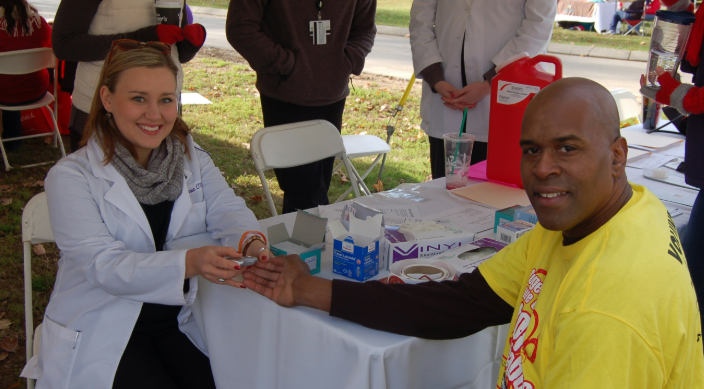
Understanding Medical Checkups
Medical checkups, often referred to as health screenings or routine examinations, are a vital component of preventive healthcare. These assessments are systematic evaluations conducted by healthcare professionals to determine an individual’s overall health status. The primary purpose of regular medical checkups is to identify potential health issues before they become significant problems, thus allowing for timely intervention and management.
During a typical medical checkup, various routine examinations may be performed. Common components include physical examinations, blood pressure monitoring, cholesterol and blood sugar level assessments, and vaccinations. These checkups can also involve screenings for specific conditions such as diabetes, cancer, and heart disease, depending on age, gender, and medical history. Moreover, lifestyle inquiries regarding diet, exercise, and substance use are integral to these visits, as they provide insights into the patient’s health behaviors.
The role of medical checkups in preventive healthcare is critical. They enable healthcare providers to track changes over time in an individual’s health and detect any emerging health conditions early on. For instance, regular monitoring can facilitate the early diagnosis of high blood pressure, which is a precursor to more severe health threats such as stroke or heart disease. By prioritizing medical checkups, individuals can actively engage in their health management, fostering a proactive approach to wellness.
In summary, understanding medical checkups involves recognizing their purpose as a preventive healthcare strategy. These routine examinations not only help detect health issues early but also provide an opportunity for education on healthy lifestyle choices. Thus, regular medical checkups should be regarded as an essential practice for maintaining optimal health throughout one’s life.


Early Detection of Health Issues
Regular medical checkups are a fundamental component of maintaining optimal health, serving as a proactive approach to preventing illnesses. One of the primary advantages of routine screenings is the early detection of potential health issues before they escalate into more severe conditions. Many diseases and health complications develop quietly, often without any noticeable symptoms during their initial stages. By participating in regular health assessments, individuals can identify these issues promptly, allowing for timely interventions.
For example, conditions such as hypertension, diabetes, and certain types of cancer can often manifest without any obvious warning signs. The significance of routine blood pressure checks cannot be overstated, as hypertension is a leading risk factor for heart disease and stroke. Early detection through regular evaluations enables healthcare providers to recommend lifestyle changes or medication interventions that can help manage or even reverse the condition.
Moreover, regular checkups include screenings for elevated blood sugar levels, which can indicate the risk of diabetes. If caught early, pre-diabetes can often be managed through dietary modifications and exercise, significantly reducing the chance of developing type 2 diabetes. Similarly, routine screenings for specific cancers, such as mammograms for breast cancer or colonoscopies for colorectal cancer, can lead to early diagnosis. Early-stage cancers often have better prognoses and treatment options, which can improve survival rates.
In conclusion, the role of regular checkups in facilitating early detection of health issues is undeniable. By committing to consistent medical evaluations, individuals have the opportunity to catch diseases at their inception, providing a pathway to effective treatment and improved quality of life. Prioritizing such preventive measures can make a significant difference in long-term health outcomes.
Monitoring Existing Health Conditions
Regular medical checkups play a crucial role in the management of chronic health conditions, such as diabetes, hypertension, and asthma. For individuals diagnosed with these conditions, consistent monitoring allows healthcare providers to assess the effectiveness of treatment plans and make necessary adjustments. This proactive approach is essential for optimal health and wellbeing.
One of the primary benefits of routine checkups is that they facilitate the ongoing evaluation of a patient’s health status. In the case of diabetes, for instance, regular evaluations can help determine blood sugar levels, assess the effectiveness of medications, and identify any potential complications early on. This level of engagement not only assures patients that their condition is under control but also instills confidence in their treatment regimen.
Similarly, for patients with hypertension, regular assessments through checkups can lead to timely interventions. Physicians can monitor blood pressure levels and adjust medications accordingly to ensure that patients maintain their target ranges. This diligence prevents the progression of cardiovascular challenges, ultimately promoting long-term health outcomes.
For individuals suffering from asthma, maintenance visits provide a platform to evaluate symptoms and adjust inhaled medications as necessary. By monitoring lung function and environmental factors that may trigger asthma attacks, healthcare providers can help patients manage their condition effectively, leading to a better quality of life.
Moreover, through regular assessments, healthcare professionals can identify comorbidities that might arise in patients with chronic conditions. This integrated approach to patient care not only addresses the primary health concerns but also fosters a holistic view of a patient’s overall wellbeing. Hence, the importance of routine medical checkups cannot be understated, as they serve as a vital component in managing existing health conditions, enhancing treatment efficacy, and ultimately leading to improved health outcomes.
Establishing a Relationship with Healthcare Providers
Building a strong relationship with healthcare providers is a pivotal aspect of achieving optimal health. Regular medical checkups play a critical role in fostering this relationship, and the benefits associated with such connections can be immensely impactful on an individual’s health journey. A solid rapport with physicians and healthcare teams promotes open communication, enabling patients to share their health concerns freely and in detail.
When individuals seek medical attention, the familiarity established through routine visits encourages a sense of trust. This trust is essential as it allows patients to feel comfortable disclosing sensitive information that may be relevant to their care. The healthcare provider, in turn, gains valuable insights, which can lead to more personalized and effective treatment plans. Individualized care is significantly enhanced by this level of trust, as physicians develop a deeper understanding of their patients’ medical history, lifestyle choices, and preferences.
Moreover, a robust relationship can enhance the patient’s overall experience within the healthcare system. When patients have confidence in their healthcare providers, they are more likely to adhere to medical advice and treatment regimens. This can result in improved health outcomes, as the likelihood of seeking timely medical attention is increased, and preventive care measures are more readily accepted. Building this relationship not only enhances trust but also promotes proactive health management, encouraging patients to take an active role in their wellness.
In summary, establishing a relationship with healthcare providers is essential for optimal health outcomes. Regular medical checkups foster better communication and trust, enabling more individualized care tailored to each patient’s unique health needs. This dynamic relationship ultimately empowers patients to become more engaged in their health journey, paving the way for a healthier future.
Updating Vaccinations and Preventive Services
Regular medical checkups serve as an essential platform for updating vaccinations and receiving vital preventive services. Vaccinations are one of the most effective means of protecting individuals from a multitude of infectious diseases, and they require occasional updates to maintain their effectiveness. By attending scheduled checkups, patients can ensure that their immunization records are current, thereby reducing their susceptibility to outbreaks of diseases such as influenza, measles, or pertussis.
In addition to vaccinations, regular health assessments provide opportunities for healthcare providers to offer various preventive services. These services can include screening tests that identify potential health issues before they escalate or become more severe. Common screenings include those for high blood pressure, cholesterol levels, diabetes, and certain types of cancer. Early detection through such preventive measures is often correlated with better outcomes and could significantly reduce the risk of complications that stem from untreated ailments.
Moreover, routine visits allow patients to discuss their health concerns with their healthcare providers. These discussions can lead to personalized advice regarding lifestyle changes, dietary adjustments, and additional preventive measures that may be necessary according to individual risk factors. Addressing these areas early on not only emphasizes maintaining optimal health but also empowers individuals to take an active role in their wellbeing.
Ultimately, staying up-to-date with vaccinations and engaging in preventive services during regular checkups forms a comprehensive strategy for health maintenance. It contributes to a preemptive approach in healthcare, which is inherently more effective and beneficial overall compared to reactive treatments after health issues arise. By prioritizing these medical appointments, individuals actively participate in safeguarding their health and that of their communities.
Personalized Health Assessment and Lifestyle Guidance
Regular medical checkups present an invaluable opportunity for individuals to receive personalized health assessments. This tailored care is essential for promoting optimal health as it enables healthcare providers to allocate their expertise toward individual patient needs. During these checkups, practitioners can evaluate the unique health profiles of their patients, taking into account a range of factors including age, medical history, lifestyle choices, and current health conditions.
One significant benefit of personalized care during medical checkups is the provision of specific advice regarding nutrition. Healthcare providers are equipped to analyze dietary habits and recommend modifications that can lead to improved health outcomes. This guidance can vary from suggesting increased intake of certain nutrients to advising on portion control and meal timing, all tailored to the individual’s specific health status.
In addition to nutrition, exercise guidance is another critical aspect of personalized health assessments. Based on the unique physical condition and lifestyle of each patient, healthcare providers can recommend appropriate exercise regimens that not only align with the patient’s capabilities but also enhance their overall well-being. This could include activities that promote cardiovascular health, strength training, or flexibility exercises, all curated to suit individual fitness levels.
Moreover, mental health is an equally essential component of comprehensive healthcare. During regular checkups, providers can discuss mental well-being and detect any potential issues early on. They can also offer strategies for stress management, emotional regulation, and coping mechanisms tailored to the patient’s lifestyle. Such personalized advice can significantly enhance mental resilience and overall life satisfaction, illustrating how integrative approaches can lead to holistic health benefits.
Ultimately, the personalized health assessments conducted during regular medical checkups ensure that patients receive guidance that is relevant and effective for their distinct circumstances. This individualized approach not only supports better health outcomes but also empowers patients to take active roles in managing their health effectively.
Cost-effectiveness of Preventive Care
Regular medical checkups play a crucial role in maintaining optimal health and significantly contribute to overall health care cost reduction. Preventive care, which includes routine examinations, screenings, and vaccinations, can lead to early detection of health issues, enabling timely interventions that are often less expensive than treating advanced conditions. Through early diagnosis and management, individuals can avoid more severe complications that typically incur higher medical expenses.
Financially, preventive care is cost-effective for both patients and the healthcare system. For patients, regular checkups can help identify potential risks for chronic diseases such as diabetes, hypertension, or heart disease before they develop into serious health problems. Preventive measures such as lifestyle adjustments, dietary recommendations, and medication management can often be initiated during these checkups, considerably lowering future healthcare costs.
Moreover, a study by the National Institute of Health revealed that every dollar spent on preventive care can save the healthcare system approximately $3 to $5 in treatment costs. Consequently, investing in regular medical checkups not only benefits individual patients but also contributes to a more sustainable and efficient healthcare system. This proactive approach not only enhances the quality of life but also minimizes the economic burden of healthcare by reducing emergency room visits and hospital admissions, which are often much more expensive.
In essence, regular medical checkups are a wise investment towards maintaining optimal health and ensuring financial stability in healthcare costs. The emphasis on preventive care underscores a fundamental shift in the healthcare paradigm, encouraging individuals to be proactive about their health, which subsequently leads to a healthier population and reduced financial strain on health systems overall.
Encouraging a Culture of Health Awareness
Regular medical checkups play a pivotal role in fostering a culture of health awareness, not only at the individual level but also within families and communities. By emphasizing the importance of routine health assessments, we can cultivate proactive health behaviors that contribute to the overall well-being of the population. When individuals prioritize regular visits to healthcare providers, they signal the significance of health maintenance and screening, shifting the perception from reactive care to preventive practices.
Families often serve as the foundation for health habits. When parents engage in regular checkups, they model positive health behaviors for their children, creating an environment where health is valued and prioritized. Children who witness their parents taking charge of their health through regular appointments are more likely to adopt similar behaviors as they grow older. This familial approach nurtures a sense of responsibility toward health and well-being, leading to healthier future generations.
Communities also benefit from a culture that emphasizes regular medical checkups. Health awareness initiatives can be amplified through community programs that promote screenings and educational workshops. Such programs can provide valuable resources, such as information on preventive care, nutrition, and physical fitness, thereby empowering individuals to take proactive steps toward maintaining their health. A community that prioritizes health awareness fosters a collective understanding of the benefits of regular checkups, ultimately leading to a decline in preventable illnesses.
Moreover, public health campaigns that advocate for regular medical examinations can significantly impact attitudes towards health. By disseminating information through various media channels, healthcare providers can reach a broader audience, highlighting the necessity of regular checkups. This collective effort can diminish cultural stigmas associated with seeking healthcare and facilitate open discussions about health issues.
In conclusion, cultivating a culture of health awareness through regular medical checkups is vital in promoting proactive health behaviors. By facilitating the adoption of these practices among individuals, families, and communities, we can enhance the overall health landscape and encourage a more informed approach to personal health management.
Conclusion: Making Medical Checkups a Priority
In the quest for optimal health, prioritizing regular medical checkups plays a crucial role. These examinations offer individuals an opportunity to detect potential health issues early, allowing for timely intervention and treatment. Engaging in preventive care through medical visits helps cultivate a proactive stance toward one’s health, rather than a reactive one. Regular consultations with healthcare professionals can lead to a better understanding of one’s health status and the specific risks they may face based on their age, gender, and family history.
The significance of consistent medical evaluations cannot be overstated. By making scheduled checkups a part of one’s routine, individuals can foster a relationship of trust with their healthcare providers, ensuring that they receive personalized advice tailored to their unique health needs. These appointments should not be viewed merely as a formality but rather as an integral component of a healthy lifestyle. Furthermore, discussing any changes in health or new symptoms during visits enables providers to adjust care plans accordingly and address concerns effectively.
Prioritizing medical checkups is especially important in managing chronic conditions, as regular monitoring can significantly improve overall quality of life. Additionally, health screenings may provide essential insights leading to adjustments in lifestyle choices, such as diet, exercise, and stress management. Ultimately, the cumulative benefits of regular medical evaluations significantly outweigh the perceived inconveniences of scheduling and attending these appointments. Therefore, integrating medical checkups into one’s healthcare routine is vital for sustaining long-term health and wellness. By valuing and committing to regular checkups, individuals can take substantial steps toward achieving and maintaining their overall health goals.