





Introduction to Wellness Tracking
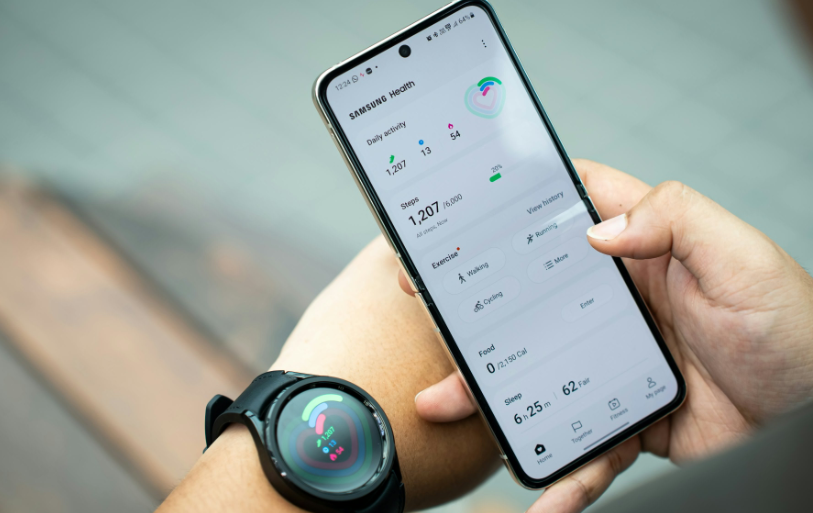
In recent years, wellness tracking has emerged as an integral aspect of maintaining a healthy lifestyle. By monitoring various health-related activities and goals, individuals can gain valuable insights into their physical and mental well-being. Wellness tracking encompasses a range of aspects, including physical fitness, nutrition, sleep quality, and emotional health. The practice allows users to set specific objectives and measure their progress over time.
The importance of wellness tracking cannot be overstated; it serves as a method of accountability, motivating individuals to adhere to their health goals. When people actively track their progress, they are more likely to stay committed to their routines and make necessary adjustments. Moreover, having clear metrics enables users to celebrate small victories, thereby reinforcing positive behaviors. For instance, a fitness app might encourage regular exercise by displaying the number of steps walked or calories burned, fostering a sense of achievement.
In addition to motivation and accountability, wellness tracking can enhance overall well-being by promoting self-awareness. When individuals become conscious of their habits, they can identify patterns that contribute to their health. For example, one might discover that their energy levels fluctuate based on their sleep patterns or dietary choices. This awareness can lead to informed decisions aimed at enhancing one’s wellness journey.
Ultimately, incorporating wellness tracking into daily routines is a powerful strategy for those looking to elevate their overall well-being. As technology continues to evolve, health applications and wearable devices offer accessible means of monitoring health metrics. The journey toward improved health and wellness becomes not only manageable but also more engaging and rewarding through organized tracking.

Key Features to Look for in Health Apps
When selecting health apps to aid in achieving wellness goals, several critical features should be considered to ensure effectiveness and user satisfaction. One of the primary aspects is user-friendliness. An intuitive interface allows users to navigate effortlessly, increasing the likelihood of regular use. A straightforward navigation system helps individuals, especially those less tech-savvy, to utilize the app without frustration.
Another vital consideration is the compatibility of the app with various devices. A health app that seamlessly operates across multiple platforms, including smartphones, tablets, and wearables, ensures that users can track their wellness metrics in real-time, regardless of the device they are using. This feature enhances accessibility and encourages consistent engagement with the app’s offerings.
Moreover, the types of tracking available within the app are essential for comprehensive health management. Users should evaluate whether an app can monitor aspects such as diet, exercise routines, and mental health indicators. An app that encompasses a wide range of tracking options offers a holistic approach to wellness, allowing users to gain insights and adjust their habits effectively.
Integration with other health systems or apps can significantly enhance the functionality of a health app. For instance, syncing with fitness trackers or health management programs can provide users with a more complete view of their health status. Additionally, enabling users to share their progress with healthcare professionals can foster more tailored advice and support.
In conclusion, when looking for a health app, prioritizing user-friendliness, device compatibility, diverse tracking capabilities, and system integration can lead to a more enriching experience. These features collectively empower individuals to elevate their wellness journey, ensuring that their chosen application meets their specific health needs.
The Top Health Apps for Nutrition Tracking
In today’s digital age, the integration of technology into our daily lives has also transformed the way we manage our health, particularly in the realm of nutrition tracking. Numerous applications have emerged, designed to assist individuals in achieving their dietary goals through meal logging, calorie counting, and detailed nutritional insights. This section will highlight some of the top health apps that have proven to be especially effective for tracking nutrition.
One of the most popular apps in this category is MyFitnessPal. Renowned for its vast database of foods and ease of use, MyFitnessPal enables users to log their meals and monitor their caloric intake seamlessly. The app also features a barcode scanner, making it incredibly convenient to track packaged foods. Users appreciate the community aspect as well, which offers motivation through shared experiences and challenges.
Another noteworthy app is Lose It!, which focuses on a straightforward approach to calorie counting and meal logging. With a user-friendly interface, Lose It! allows individuals to set personalized weight loss goals and create specific meal plans tailored to those objectives. The app includes a unique feature called “Snap It,” which lets users take photos of their meals, making logging even easier.
For those seeking more detailed nutritional insights, Cronometer stands out among its peers. This app does not only count calories; it provides comprehensive information on micronutrients and overall dietary trends. Users can benefit from its detailed reports and customizable food logging options, making it a vital tool for anyone aiming to enhance their nutritional knowledge and habits.
Overall, the range of health apps designed for nutrition tracking offers valuable resources for anyone looking to improve their dietary habits. By utilizing these applications, users can gain better insights into their nutritional intake, facilitating more informed choices that align with their wellness goals.
Best Fitness Apps for Activity Monitoring
In today’s digital age, maintaining an active lifestyle is easier than ever with the help of numerous fitness apps designed specifically for activity monitoring. These applications not only help users track their workouts but also provide insights into their daily movement, making it simpler to achieve fitness goals. This section explores some of the top-rated fitness apps that excel in monitoring physical activity, including user experiences and their effectiveness.
One standout app is MyFitnessPal, which combines a food diary with physical activity tracking. Users not only monitor their calorie intake but also log their exercises, offering a comprehensive view of their health journey. This dual approach enables individuals to understand the impact of their dietary choices on workout performance, thus enhancing their ability to meet wellness targets.
Fitbit is another highly regarded app that pairs with its wearables to provide detailed metrics on physical performance. By tracking steps, heart rate, and sleep quality, Fitbit allows users to gain a deeper understanding of their overall fitness. The user-friendly interface encourages daily logging of activities and workouts, fostering consistency that is essential for long-term success.
Strava is particularly popular among runners and cyclists for its robust route tracking and community features. This app not only records distance and pace but also connects users with a network of fellow athletes, motivating them through shared challenges and achievements. Many users have noted increased motivation stemming from making workouts a social endeavor.
Another notable mention is Nike Training Club, which provides a library of guided workouts catering to various fitness levels. Users appreciate the easy onboarding process and the tailored workout plans, which help them stay engaged and focused on their fitness goals. The app’s ability to adapt to users’ progress proves effective in maintaining motivation over time.
Overall, these fitness apps serve as powerful tools for activity monitoring, making it effortless for users to track their workouts, steps taken, and overall physical performance. Choosing the right app can lead to enhanced accountability, motivation, and ultimately, a achieved health objectives. In conclusion, identifying and utilizing the best app for one’s individual needs can significantly elevate one’s everyday wellness goals.
Mental Health and Wellness Apps
The increasing emphasis on mental health and wellness has led to a surge in the popularity of mobile applications designed specifically to support users in managing their mental well-being. These mental health and wellness apps aim to provide individuals with tools for tracking their mood, practicing mindfulness, and learning effective stress management techniques. By utilizing these applications, users can gain a better understanding of their emotional state and develop strategies to enhance their mental health.
Many apps focus on mood tracking, allowing users to log their feelings throughout the day. This continual assessment can help individuals identify patterns in their moods or triggers that contribute to heightened stress or anxiety. Some popular mood-tracking apps also provide data visualization, enabling users to observe changes over time and fostering a deeper self-awareness related to their mental wellness.
In addition to mood tracking, several applications offer mindfulness exercises and guided meditation sessions. Mindfulness has been shown to reduce anxiety and depression, and these apps often incorporate a wide range of techniques, from breathing exercises to visualization practices. Users can benefit from these exercises, which promote relaxation and focus, making it easier to navigate daily stresses.
Stress management tools are another notable feature of many mental health apps. These tools provide users with strategies to manage stress through various techniques, such as journaling prompts, relaxation techniques, and educational resources. By having essential information and practices readily available, users can better cope with stressors and improve their overall mental resilience.
Overall, mental health and wellness apps serve as powerful resources for users seeking to enhance their mental well-being. By integrating mood tracking, mindfulness exercises, and effective stress management tools, these apps can significantly contribute to improved mental health and overall wellness outcomes, making them an essential part of individuals’ digital wellness toolkit.
Sleep Tracking Apps: Improving Restful Nights
Sleep is an essential component of overall health and well-being. In recent years, sleep tracking apps have gained popularity as innovative tools designed to enhance sleep quality. These applications use a variety of methods, including movement detection and sound analysis, to monitor users’ sleep patterns. By offering insights into sleep duration, cycles, and disturbances, sleep tracking apps empower users to understand their individual sleep behaviors better.
One of the primary benefits of utilizing sleep tracking apps is their capability to record sleep quality. Many of these apps can analyze various factors such as the amount of time spent in different sleep stages, including light, deep, and REM sleep. This data proves invaluable for users seeking to enhance their sleep health, as it helps identify patterns that may affect their nightly rest. For example, if a user discovers they tend to have lighter sleep during certain times of the week, they may adjust their lifestyle or bedtime routine to promote more restful nights.
Additionally, sleep tracking apps often provide personalized tips and recommendations for improving sleep hygiene. Common suggestions may include establishing a consistent sleep schedule, minimizing screen time before bed, or creating a comfortable sleep environment. These actionable insights make it easier for users to incorporate healthy sleep habits into their daily lives.
Moreover, many apps offer integration with other health and fitness applications, allowing users to create a comprehensive overview of their healthful practices. By linking sleep data with physical activity and dietary information, users can gain a better understanding of how lifestyle choices influence sleep quality. This holistic approach can foster a greater commitment to achieving overall wellness.
In conclusion, sleep tracking apps are becoming indispensable for anyone looking to enhance their sleep quality and overall health. By providing valuable insights and personalized tips, these tools can significantly impact daily wellness goals, leading to improved physical and mental well-being.
Combining Health Apps for Holistic Tracking
In the contemporary landscape of digital health and wellness management, the integration of various health apps has emerged as a crucial strategy for achieving a comprehensive view of personal wellness. The increasing availability of specialized applications allows users to monitor different aspects of their health, ranging from physical fitness to mental well-being. By employing a multi-app strategy, users can effectively capture an extensive range of data that individual apps may not fully encompass.
One significant advantage of using multiple health applications is the ability to track various health metrics simultaneously. For instance, a fitness app might focus primarily on exercise and calorie counting, while a meditation app can enhance mindfulness and stress management. When these applications are used in tandem, users gain a more nuanced understanding of how physical activity and mental health are interconnected, thereby fostering a holistic approach to wellness. The effectiveness of holistic tracking becomes evident as users observe how various health components influence one another.
Moreover, many health apps now offer the capability to sync with one another, creating a unified platform for data integration. This synchronization enables users to compile and analyze data from multiple sources, facilitating a more cohesive overview of their health journey. Additionally, the cumulative data can lead to identifying patterns, such as recognizing how physical workouts affect sleep quality or caloric intake, and adapting wellness strategies accordingly.
Ultimately, combining health apps fosters not only more precise tracking but also empowers users to take charge of their wellness journey in a more comprehensive manner. By leveraging the strengths of various applications, users can more effectively address their individual health goals and achieve a balanced lifestyle. This synergistic approach can significantly enhance motivation and commitment to maintain wellness practices over time.
User Reviews and Recommendations
User testimonials play a crucial role in highlighting the effectiveness of health apps, providing potential users with insight into the real-world impact of these digital tools on wellness journeys. Many users have reported significant improvements in their everyday wellness goals by incorporating specific health applications into their daily routines.
For instance, one user shared their experience with a popular fitness tracking app, stating that it not only helped them monitor their physical activity but also motivated them to remain consistent with their workouts. They noted, “Having a visual representation of my daily steps and calories burned really pushed me to set and achieve higher goals every week.” Such feedback emphasizes the motivational aspects that many health apps offer, making them indispensable for users striving to enhance their physical health.
Another user highlighted the benefits of a meditation app, asserting that it had transformed their approach to mental well-being. They expressed, “With the guided sessions, I found a sense of calm and clarity that eluded me before. It has truly changed my perception of stress and anxiety.” This testimonial speaks to the role of mental health apps in supporting emotional wellness and helping users cultivate mindfulness practices.
Additionally, the convenience of nutrition tracking apps has been noted by a health-conscious user who stated, “Keeping track of my daily meals with this app has made me much more aware of my eating habits. I can now understand what works for my body and what doesn’t, helping me to eat healthier without feeling deprived.” Such testimonials underline the importance of personalized nutrition guidance that these applications provide.
In essence, user reviews consistently reveal a pattern of how health apps assist individuals in not only setting wellness goals but also achieving them. The blend of accountability, motivation, and education helps users on their wellness journey, making these applications a vital component of a holistic health strategy.
Conclusion: Choosing the Right Health App for You
In conclusion, selecting the right health app is pivotal for achieving your everyday wellness goals. As we discussed throughout this blog post, health apps offer diverse features, enabling users to monitor their physical activity, nutrition, and overall wellbeing. Whether you seek to manage stress, improve fitness levels, or track dietary habits, numerous applications are available to cater to varying needs.
It is essential to identify your personal health objectives clearly before committing to a specific application. Start by assessing what you aim to accomplish—this could include weight management, enhanced physical performance, or maintaining mental health. With this clarity, you can effectively narrow down your options.
Consideration of functionality is equally important. Some health apps provide comprehensive tracking systems, while others may excel in specific areas, such as meal planning or exercise routines. Look for user-friendly interfaces and compatibility with your devices, as these factors can significantly enhance your experience.
Moreover, community support and expert guidance can aid you in your wellness journey. Many health apps offer access to online communities or professional advice, which can be beneficial in motivating you to remain dedicated to your goals. Evaluating user reviews and testimonials can further provide insights into the effectiveness of the applications you are considering.
The key takeaway is that the right health app should align with your lifestyle and support your journey toward better health. By taking the time to assess your goals and exploring the available tools, you can make informed decisions that promote lasting wellness in your everyday life.