






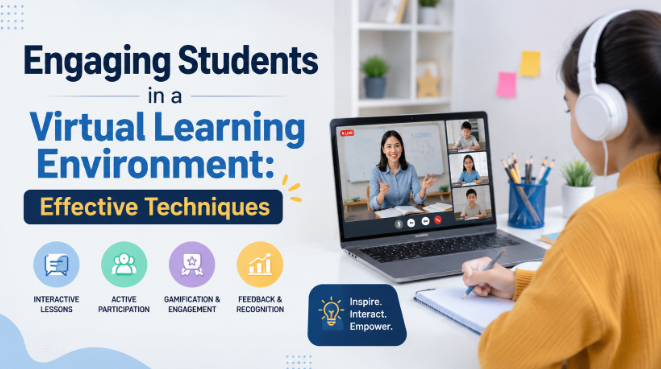
Understanding Student Engagement in Virtual Learning
Student engagement is a multifaceted concept that encompasses the level of interest, enthusiasm, and commitment students exhibit towards their learning experience. In the context of virtual learning environments, engagement takes on additional dimensions, as the absence of a physical classroom alters interactions between students, instructors, and educational content. Effective student engagement is crucial for promoting positive educational outcomes, such as improved retention rates, increased satisfaction, and elevated academic performance.
Unlike traditional classroom settings, where personal interactions and physical presence play a significant role in facilitating engagement, virtual learning relies heavily on technological tools to foster connection and interaction. Factors such as interactivity, accessibility, and the availability of resources in virtual platforms can greatly influence students’ levels of engagement. For instance, interactive elements like polls, discussion boards, and group projects can create opportunities for collaboration, enabling students to feel more connected to their peers and instructors.
Moreover, technology use encompasses not only the delivery of educational content but also the methods of interaction that can enhance learning experiences. Multimedia presentations, gamified learning modules, and real-time feedback mechanisms are all examples of how technology can be leveraged to increase engagement levels in a virtual setting. By employing varied instructional strategies that capitalize on these technological advancements, educators can create a more enriching learning environment that addresses diverse learning preferences.
Understanding how these elements interact in a virtual learning context is essential for educators seeking to enhance student engagement. By recognizing the differences between traditional and virtual engagement, instructors can adapt their approaches to better meet the needs of their students, ultimately leading to improved learning experiences and outcomes.



The Role of Technology in Enhancing Engagement
In the ever-evolving landscape of education, technology plays a pivotal role in enhancing student engagement, particularly in virtual learning environments. The integration of various technological tools can facilitate interactive and dynamic learning experiences, effectively capturing the interest of students. Learning management systems (LMS), for instance, allow educators to create structured, accessible courses that cater to diverse learning styles. These platforms typically support multimedia resources, quizzes, and discussion forums, which promote active participation.
Virtual classrooms represent another advancement, enabling real-time interaction between educators and students. Tools such as Zoom or Microsoft Teams provide functionalities like screen sharing, breakout rooms, and chat features, fostering collaboration and discussion. Through these platforms, students can engage in group activities, ensuring that learning is not a solitary experience but rather an inclusive and interactive one. Multimedia resources, including videos, infographics, and podcasts, also serve as engaging content, making complex subjects more digestible and stimulating student interest.
However, while technology substantially enhances engagement, its implementation is not without challenges. Technical difficulties, such as connectivity issues or unfamiliarity with digital tools, may hinder the learning process. Furthermore, there is the risk of information overload, where students can feel overwhelmed by the sheer volume of resources available. To mitigate these challenges, educators must prioritize training sessions that familiarize both students and instructors with the technological tools at their disposal. Establishing clear guidelines and providing ongoing support can also alleviate anxiety and enhance learners’ confidence in navigating the virtual space.
Ultimately, by leveraging technology effectively, educators can create a more engaging and responsive learning environment that addresses the needs and preferences of various learners.
Interactive Activities for Virtual Classrooms
In the current educational landscape, fostering student engagement in virtual classrooms is essential for effective learning. One of the most effective ways to achieve this is through interactive activities. These activities not only help to maintain student interest but also promote collaboration and communication among peers.
One popular interactive activity is the use of polls, which can be employed to gather real-time feedback or gauge student opinions on various topics. Polls can serve as a springboard for discussions, encouraging students to express their thoughts and engage with the material actively. By utilizing tools that allow anonymous input, students may feel more comfortable voicing their opinions, which can lead to richer discussions.
Another impactful technique is the implementation of breakout rooms during virtual classes. These smaller, focused groups allow students to collaborate on specific tasks or debates, thus promoting teamwork and peer learning. Teachers can assign roles within these rooms to ensure that all students contribute to the discussions, enhancing their feeling of accountability and involvement.
Quizzes also play a significant role in driving engagement in online settings. By incorporating gamified quizzes, educators can create a fun and competitive environment where students are incentivized to participate. This not only helps reinforce the material learned but also allows educators to assess understanding in an engaging format.
Additionally, fostering interactive discussions through the use of discussion boards or live Q&A sessions enables students to ask questions and share insights, further enhancing the educational experience. Such exchanges cultivate a sense of community and encourage students to take ownership of their learning.
In summary, implementing interactive activities like polls, breakout rooms, quizzes, and discussions can significantly enhance student engagement in virtual classrooms. These techniques provide opportunities for active participation, collaboration, and a more dynamic learning environment, ultimately leading to improved educational outcomes.
Gamification as an Engagement Strategy
Gamification refers to the application of game design elements and principles in non-game contexts, such as education, to enhance motivation and engagement. In the virtual learning environment, gamification can transform traditional educational experiences into interactive and enjoyable activities. By incorporating game-like strategies, educators can captivate students’ attention, thereby increasing their active participation.
There are several ways to integrate gamification into virtual learning. Educators can develop point systems where students earn points for completing assignments, participating in discussions, or achieving certain milestones. This concept of earning rewards creates a competitive atmosphere reminiscent of games, prompting students to strive for better performance. Leaderboards can showcase top performers, fostering a sense of achievement and encouraging students to push their limits.
Moreover, incorporating challenges or quests into the curriculum allows learners to progress through levels or complete tasks, making learning more dynamic and engaging. For instance, teachers can create themed modules that require students to unlock new content by demonstrating mastery of previous topics. This not only keeps learners engaged but also instills a sense of goal-oriented progression.
The psychological principles behind gamification stem from intrinsic and extrinsic motivation. The desire for rewards and recognition serves as extrinsic motivation, while the pursuit of unlocking new skills and mastering concepts can fuel intrinsic motivation. When students encounter gamified environments, they often experience heightened enthusiasm for learning, leading to better retention of information.
Examples of practical gamification techniques include using digital badges as acknowledgments of accomplishments and integrating interactive quizzes that provide immediate feedback. These strategies not only create a sense of achievement but also make learning enjoyable, resulting in improved engagement levels among students.
Utilizing Collaborative Learning Techniques
Collaborative learning techniques are pivotal in fostering student engagement within a virtual learning environment. By promoting interaction among students, these methods facilitate a deeper understanding of course content and enhance overall satisfaction within the learning experience. Collaborative learning encourages students to work together towards common goals, hence cultivating their critical thinking, problem-solving, and communication skills.
One effective collaborative learning technique is the implementation of group projects. Group projects allow students to share diverse perspectives and ideas, leading to richer discussions and enhanced learning outcomes. In a virtual classroom, educators can utilize online platforms such as Google Workspace or Microsoft Teams to assign group tasks. These tools provide avenues for students to collaborate simultaneously, regardless of their physical locations, allowing for seamless communication and collective brainstorming.
Another valuable technique is peer reviews, wherein students evaluate each other’s work. This method not only encourages collaboration but also fosters a sense of accountability among students. Providing feedback to peers can enhance their learning, as it promotes critical analysis and reflection on their own work. By utilizing virtual classroom functionalities such as discussion boards or comment features in document-sharing applications, educators can effectively facilitate this process.
Additionally, incorporating collaborative tools such as shared documents, multimedia presentations, and discussion forums can enrich the learning experience. These tools enable students to share resources, collaborate on assignments, and engage in meaningful discussions. Utilizing platforms like Padlet or Miro fosters creativity and ensures that all voices are heard, remaining vital for effective learning in a virtual environment.
Ultimately, employing collaborative learning techniques within a virtual setting can significantly boost student engagement, creating an interactive and supportive learning atmosphere that benefits all participants.
Incorporating Multimedia to Capture Interest
In today’s increasingly digital world, the integration of multimedia into virtual learning environments has proven to be a powerful tool for enhancing student engagement. Multimedia elements such as videos, podcasts, and interactive presentations appeal to a broader spectrum of learning styles, thus enabling educators to connect with students on multiple levels. For instance, visual learners may thrive when presented with captivating video content, while auditory learners can benefit from podcasts or sound-based resources. Moreover, interactive presentations can stimulate kinesthetic learners, making the educational process more effective and inclusive.
The effectiveness of multimedia in enhancing engagement cannot be overstated. Research indicates that when students are exposed to richer multimedia content, they are more likely to retain information and develop a deeper understanding of the subject matter. Videos can illustrate complex concepts visually, breaking down barriers that might exist in traditional text-based formats. Furthermore, incorporating elements like quizzes or polls within interactive presentations can encourage real-time participation and foster a sense of community among students, even when they are not physically present together.
Additionally, multimedia tools can be particularly useful in catering to diverse learner needs. For instance, students who may struggle with reading comprehension may find that watching a video can help clarify information in a more digestible format. Similarly, interactive simulations can provide experiential learning opportunities that help solidify theoretical knowledge through practical application. By using these varied forms of media, educators can create a rich tapestry of learning experiences that not only capture students’ interests but also enhance their educational journey.
Building a Community for Enhanced Interaction
Creating a sense of community within virtual classrooms is vital in enhancing student engagement and promoting meaningful interactions. When students feel connected to their peers and instructors, they are more likely to participate actively in discussions, collaborate on projects, and invest their time and energy in the learning process. To cultivate this community spirit, educators can implement several effective strategies.
One effective method is to establish dedicated discussion forums where students can engage in conversations around course material, share insights, and ask questions. These forums not only facilitate peer interaction but also provide an informal space for students to express themselves and build relationships. Moreover, encouraging students to post their thoughts and comments regularly can help foster a dialogue that extends beyond traditional class hours.
Social media groups represent another powerful tool for community building. By creating private groups on platforms like Facebook or LinkedIn, educators can provide a space for students to collaborate, share resources, and support one another. These groups can also be used to post announcements, host virtual study sessions, or even organize events that encourage social interaction and bonding among students.
Regular check-ins with students can further enhance community ties. Educators might consider scheduling weekly or bi-weekly virtual meetings to touch base on students’ progress, discuss any challenges they may be facing, and solicit feedback on the course. These sessions can help identify areas where students may need extra support, thus strengthening the relationship between instructors and students as well.
By prioritizing the creation of a vibrant community in virtual classrooms, educators can enhance student engagement and create a more enriching and supportive learning environment. This sense of belonging not only boosts motivation but also encourages students to take an active role in their education.
Feedback and Assessment as Engagement Tools
In the realm of virtual learning, the significance of timely feedback cannot be overstated. Providing students with immediate and constructive responses to their work fosters a sense of connection, reinforcing that their efforts are acknowledged and valued. This practice promotes continuous engagement, enabling students to understand their progress and areas for improvement. Moreover, timely feedback contributes to the development of a growth mindset, encouraging learners to perceive challenges as opportunities for growth.
Assessment methods in a virtual environment also play a critical role in sustaining student engagement. Formative assessments, which are designed to monitor student learning and provide ongoing feedback, are particularly effective. These assessments can take various forms, including quizzes, reflective journals, and peer assessments. By incorporating a diverse range of assessment strategies, educators can cater to different learning styles, ensuring that all students have the opportunity to demonstrate their understanding. Additionally, formative assessments allow educators to gauge the effectiveness of their teaching strategies and make necessary adjustments in real-time.
The implementation of feedback loops—an iterative process of giving feedback, allowing students to reflect upon it, and adjusting their work accordingly—can enhance the learning experience in a virtual setting significantly. This interaction encourages students to take ownership of their learning journey and to be actively involved in the assessment process. By fostering an environment where students feel comfortable seeking clarification and requesting further assistance based on feedback, educators can cultivate a more engaged and motivated classroom.
Ultimately, utilizing feedback and assessment as active engagement tools in a virtual learning environment can lead to higher student motivation, improved performance, and a more dynamic educational experience. By making these elements integral to the learning process, educators are better equipped to support students in reaching their academic goals.
Best Practices for Sustaining Engagement Over Time
Maintaining student engagement in a virtual learning environment presents unique challenges, but educators can employ several effective strategies to encourage ongoing participation and enthusiasm for learning. One essential practice is to create a well-structured lesson plan that emphasizes clarity and purpose. Lessons should be designed with specific learning objectives in mind, incorporating diverse instructional methods that cater to various learning styles.
Pacing is crucial in sustaining engagement. Recognizing the challenges of online learning, particularly with distractions at home, educators should carefully consider the timing and pacing of their lessons. Shorter, more focused sessions that intersperse lectures with interactive activities can help maintain student attention. Incorporating tools such as polls, quizzes, and breakout rooms can facilitate active participation, ensuring that students remain engaged throughout the session.
Another effective method involves regularly adapting teaching strategies based on student feedback and performance. Utilizing surveys or informal check-ins allows educators to gauge student interest and comprehension, enabling them to make timely adjustments to their teaching methods. For instance, if a particular topic seems to overwhelm students, instructors can provide supplemental resources or modify the presentation style to enhance understanding.
Furthermore, fostering a sense of community among students plays a vital role in engagement. Creating opportunities for collaboration, such as group projects or peer discussions, can nurture relationships and encourage students to support one another. Establishing a consistent communication routine helps maintain these connections, allowing for open dialogue where students feel valued and heard.
By implementing these best practices—structured lesson planning, adaptive pacing, responsive teaching, and community building—educators can effectively sustain student engagement throughout the virtual course, creating enriching learning experiences that promote success and satisfaction.