






Introduction to High-Protein Diets
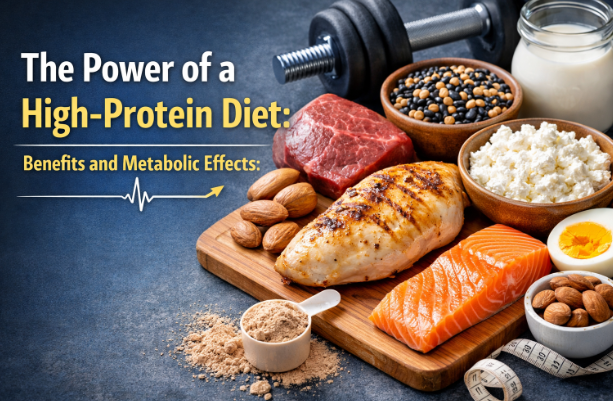
High-protein diets have gained considerable attention in recent years due to their potential benefits for weight management, muscle mass enhancement, and overall health. Generally, a diet is classified as high-protein when it accounts for more than 20% of daily caloric intake from protein. This level exceeds the recommended daily allowance (RDA) suggested for the general population, which rests at about 10-15% of total calories from protein. By prioritizing protein-rich foods, individuals can experience a range of metabolic advantages that contribute to improved physical performance and body composition.
High-protein diets can take various forms, including but not limited to paleo diets, ketogenic diets, and traditional bodybuilding diets. Each of these dietary frameworks emphasizes different macronutrient distributions, but all place a strong emphasis on protein. Common sources of protein in these diets include meats, poultry, fish, eggs, dairy products, legumes, and nuts. These foods not only supply protein but also essential vitamins and minerals crucial for bodily functions.
The implementation of a high-protein diet can be tailored to individual goals. For athletes and active individuals, higher protein intake may support muscle recovery and growth following exercise. Conversely, those aiming for weight loss may find that a high-protein approach enhances satiety and reduces overall calorie intake. Regardless of the dietary preference, the high-protein diet is a versatile option that can be adapted to meet various nutritional needs while playing a pivotal role in optimizing metabolism.
Understanding Protein: Types and Sources
Proteins are essential macromolecules that play a crucial role in the body. They are composed of smaller units called amino acids, which are necessary for various biological processes. There are two primary types of proteins: complete and incomplete proteins. Understanding the distinction between these types is important for anyone aiming to optimize their protein intake.

Complete proteins contain all nine essential amino acids that the body cannot synthesize on its own. These proteins are primarily found in animal-based sources, such as meat, fish, poultry, eggs, and dairy products. Incorporating these foods into one’s diet can easily meet daily protein requirements while also providing necessary nutrients like B vitamins and iron.
On the other hand, incomplete proteins lack one or more essential amino acids. They are predominantly found in plant-based sources, including beans, lentils, nuts, seeds, and grains. While these foods may not provide a complete amino acid profile on their own, combining different plant sources can yield a full spectrum of essential amino acids. For instance, rice and beans, when eaten together, create a complete protein that can effectively support dietary needs.
Incorporating a variety of both animal and plant-based proteins can enhance not only the quality of one’s diet but also improve overall health. For individuals following a vegetarian or vegan diet, it is particularly important to remain mindful of protein combinations to ensure adequate intake. Thus, exploring various sources of protein allows for flexibility and creativity in meal planning, whether one chooses to include animal-based foods or opt for plant-based options exclusively.
Benefits of High-Protein Diets for Weight Management
A high-protein diet can offer numerous benefits for individuals looking to manage their weight effectively. One of the primary advantages of such a diet is its ability to enhance satiety. Protein is known to be more satiating than carbohydrates or fats, which means that meals rich in protein can help individuals feel fuller for longer periods. This promotes reduced calorie intake overall, as people are less likely to snack or overeat throughout the day.
Another significant benefit of a high-protein diet is its role in muscle preservation during weight loss. When individuals undergo caloric restriction to shed pounds, they often experience a loss of muscle mass along with fat. However, incorporating an adequate amount of protein can help mitigate this muscle loss, aiding in the maintenance of lean body mass. In turn, this can lead to improved body composition and better health outcomes.
Moreover, the thermic effect of food (TEF) is a concept that underscores the unique metabolic advantage of a high-protein diet. TEF refers to the energy expenditure associated with digesting, absorbing, and metabolizing nutrients. Research indicates that protein has a higher thermic effect compared to fats and carbohydrates. This means that consuming protein can increase the number of calories burned during digestion. Thus, a high-protein diet not only supports weight management by promoting satiety and preserving muscle but also contributes to an elevated metabolism through the thermic effect.
Consequently, integrating a higher proportion of protein into one’s meals can be an effective strategy for weight loss and management, ultimately fostering a healthier and more balanced body composition. This dietary approach can be particularly beneficial for those seeking sustainable lifestyle changes.
Metabolic Effects of High-Protein Diets
The consumption of a high-protein diet has significant implications on metabolic processes in the body, influencing various functions that contribute to overall health. Primarily, protein is known for its role in muscle synthesis and recovery; however, it also plays a crucial part in modulating metabolism. One of the most notable effects of a high-protein intake is its impact on resting energy expenditure (REE). When an individual increases their protein consumption, the thermogenic effect of food enhances, leading to a higher energy expenditure post-meal.
This phenomenon is often termed the thermic effect of food (TEF), where proteins require more energy to process compared to carbohydrates and fats. Studies have shown that meals high in protein can increase energy expenditure by 20-30%, in contrast to a mere 5-10% for those rich in carbohydrates. Thus, incorporating a higher proportion of protein in the diet may contribute to a more favorable metabolic rate, essential for weight management and fat loss.
Moreover, high-protein diets facilitate muscle synthesis, especially when combined with resistance training. Muscle tissue is metabolically active, meaning that greater muscle mass augments the basal metabolic rate (BMR). This relationship is particularly beneficial for individuals looking to enhance their body composition and overall metabolic health. Additionally, protein plays a pivotal role in recovery after exercise, minimizing muscle soreness and supporting repair processes, which can encourage regular physical activity.
Overall, the metabolic effects of a high-protein diet extend beyond mere weight management; they encompass enhanced energy expenditure, improved muscle composition, and more effective recovery, significantly contributing to one’s overall health and metabolic profile.
Impact on Muscle Mass and Strength
A high-protein diet plays a significant role in the preservation and increase of muscle mass, particularly when combined with resistance training. Protein is a vital macronutrient that supports muscle repair and growth, making it essential for athletes and active individuals aiming to achieve optimal fitness levels. When engaging in resistance training, the muscles undergo microscopic damage, which is subsequently repaired and rebuilt stronger, a process that heavily relies on protein intake.
Research indicates that consuming adequate amounts of protein can lead to enhanced muscle protein synthesis. This biological process is critical for both muscle growth and recovery. Individuals who regularly incorporate high-protein foods in their diet—such as lean meats, dairy, legumes, and plant-based options—often see improved strength gains from their workout regimens. The synergy between increased protein intake and resistance training leads to significant gains in muscle mass, providing athletes with the competitive edge required for performance enhancement.
Moreover, high-protein diets can be particularly beneficial during weight management, as they help to maintain lean muscle mass while promoting fat loss. This is especially important for athletes who need to stay within specific weight categories yet want to maximize their muscle strength. Studies suggest that individuals consuming high-protein diets experience less muscle loss during caloric deficits, making protein an essential component of any athletic nutrition plan.
In conclusion, the impact of a high-protein diet on muscle mass and strength cannot be overstated. For those involved in physical training, adequate protein intake is indispensable, facilitating muscle repair, growth, and overall performance. By understanding the importance of protein in one’s diet, athletes and fitness enthusiasts can better tailor their nutrition to meet their training goals.
Effects on Blood Sugar and Satiety Hormones
A high-protein diet has garnered attention for its role in regulating blood sugar levels and influencing satiety hormones, making it particularly beneficial for individuals managing conditions like diabetes. Protein-rich foods, such as lean meats, fish, dairy, and legumes, contribute to a more stable blood glucose profile. This is largely due to the slower digestion and absorption of protein compared to carbohydrates, resulting in a more gradual release of glucose into the bloodstream. Consequently, this helps in preventing the sharp spikes and drops in blood sugar that can lead to increased hunger and cravings.
Furthermore, the consumption of adequate protein tends to enhance the secretion of hormones such as glucagon and insulin, which play crucial roles in glucose metabolism. Glucagon, released by the pancreas, works to raise blood sugar levels when they drop too low, while insulin facilitates the uptake of glucose by cells. When protein intake is optimized, the body can better regulate these hormones, leading to improved overall glycemic control.
Additionally, high-protein diets can significantly affect the levels of satiety hormones such as peptide YY (PYY) and ghrelin. PYY, which is produced in the intestines, increases feelings of fullness after eating, while ghrelin is known to stimulate hunger. Research indicates that protein-rich meals can enhance PYY levels and reduce ghrelin levels compared to carbohydrate-heavy meals. This shift results in an extended period of satiety, which may help with weight management and appetite control for individuals aiming to stabilize their energy levels throughout the day.
In summary, adopting a high-protein diet can be a strategic approach for those looking to manage their blood sugar and optimize their satiety hormones effectively, contributing to a balanced and sustainable eating pattern.
Potential Risks and Considerations
Adopting a high-protein diet can yield various benefits; however, it is essential to consider potential risks and drawbacks associated with this dietary lifestyle. One of the primary concerns regarding high-protein diets relates to kidney health. Individuals with existing kidney conditions may find that increased protein intake exacerbates their condition, leading to further deterioration. The kidneys are responsible for filtering waste products resulting from protein metabolism, and a sudden surge in protein consumption can put added strain on these organs. Therefore, it is crucial for individuals with renal issues to consult healthcare professionals before undertaking a high-protein regimen.
Another important consideration is the risk of nutrient deficiency. When individuals focus excessively on protein sources, they may inadvertently eliminate or reduce the intake of other essential food groups, particularly fruits, vegetables, and whole grains. This may result in insufficient intake of vital vitamins, minerals, and dietary fiber necessary for overall well-being. Therefore, maintaining a balanced diet is crucial when incorporating higher levels of protein to avoid negative health impacts.
Moreover, a high-protein diet may lead to imbalances in macronutrient consumption. It is important to ensure that other macronutrients, specifically carbohydrates and fats, are adequately represented in the dietary plan. Not only do these nutrients provide energy, but they also play significant roles in various physiological functions. Neglecting their inclusion can lead to fatigue, hormonal imbalances, and potential long-term consequences on overall health.
Overall, while a high-protein lifestyle can be beneficial, it is vital to consider these potential risks. A well-rounded approach, inclusive of diverse food groups, will promote metabolic health while minimizing adverse effects.
Sustainable and Balanced High-Protein Diet Tips
Adopting a high-protein diet can yield various health benefits, but it is vital to ensure that this dietary approach remains sustainable and nutritionally balanced. One effective strategy is to engage in meal planning, which may involve preparing meals in advance to avoid impulsive eating and help maintain healthy choices. Identify high-protein foods to include in your meal prep, such as legumes, lean meats, dairy, and plant-based proteins. This planning allows flexibility in incorporating diverse protein sources while accounting for other essential nutrients.
Integrating a variety of protein sources is crucial for maintaining a balanced diet. Diversifying your protein intake not only ensures you receive a comprehensive range of amino acids but also allows for a wider array of vitamins and minerals. Consider including animal-based proteins like fish, eggs, and poultry alongside plant-based options such as quinoa, tofu, and nuts. This combination not only aids in protein intake but also enhances overall dietary satisfaction and nutrition.
Furthermore, when preparing meals, focus on creating balanced plates that include an appropriate mix of protein, healthy fats, and complex carbohydrates. For instance, pair grilled chicken with a side of quinoa and sautéed vegetables, or serve a lentil salad topped with avocado and mixed greens. This balance will help maintain energy levels and promote satiation, making it easier to stick to your dietary goals.
Additionally, it’s essential to remain flexible. Life can be unpredictable, so allow yourself the occasional indulgence without feeling guilty. Adopting a high-protein diet is about creating long-lasting habits rather than adhering to strict regulations. By incorporating these tips into your lifestyle, you will cultivate a sustainable high-protein diet that supports both health and well-being.
Conclusion and Final Thoughts
In reviewing the advantages of incorporating a high-protein diet into one’s nutritional regimen, it becomes clear that the benefits extend far beyond mere muscle gain. A well-structured high-protein diet can enhance satiety, assist in weight management, and promote metabolic health. By emphasizing protein-rich foods, individuals may experience reduced cravings, leading to healthier eating patterns and improved energy levels throughout the day.
Moreover, the metabolic effects of a high-protein intake are noteworthy. Increased thermogenesis associated with protein digestion can help elevate overall calorie expenditure, contributing positively to weight loss efforts. Additionally, the preservation of lean muscle mass throughout caloric deficits is crucial for individuals aiming to lose weight while maintaining body composition. Thus, integrating high-protein sources such as lean meats, dairy, legumes, and nuts can significantly impact long-term health outcomes.
However, while high-protein diets boast many benefits, it is essential to approach dietary choices with balance in mind. A complete nutrition plan should include a variety of food groups to ensure that all necessary micronutrients are obtained. Therefore, readers should consider exploring diverse high-protein options in their daily meals, ensuring they do so in conjunction with other essential macronutrients like healthy fats and carbohydrates.
Ultimately, embracing a high-protein diet can be an excellent choice for those aiming to improve their health and wellbeing. By making informed dietary choices, individuals may reap the extensive benefits associated with protein while supporting overall health through balanced nutrition.