





Understanding Your Ingredients
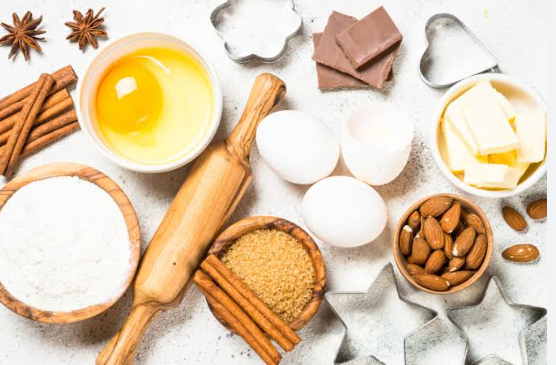
Baking is a science that relies heavily on its ingredients, each of which plays a critical role in achieving the desired outcome. Understanding the functions and qualities of these ingredients improves not only your baking skills but also your confidence in the kitchen.
Flour acts as the backbone of most baked goods. The two main types used in baking are all-purpose flour and bread flour. All-purpose flour is versatile and can be used in a variety of recipes, while bread flour contains a higher protein content, which contributes to the development of gluten, giving bread its structure and chewiness. Understanding the type of flour suitable for your recipe is crucial to obtain the correct texture.
Sugar is another key ingredient in baking; it does far more than just sweeten. Sugar contributes to the browning of baked goods through caramelization and helps retain moisture, ensuring a tender product. Various types of sugar, including granulated, brown, and powdered sugar, have different attributes that can affect the flavor and texture, thus, selecting the right sugar is essential.
Eggs are significant for both moisture and structure in baking. They bind the ingredients together and incorporate air during mixing, which helps leaven baked goods. Different egg sizes may also influence the consistency of the batter, which is why recipes typically specify a particular size. Equally important is butter; it enriches the flavor and adds moisture, contributing to the luxurious texture of cakes and cookies. The temperature of the butter can affect its ability to creamer properly with sugar, therefore, knowing whether to use cold or softened butter is vital.
Accurate measurement of each ingredient is paramount. Even a slight deviation in ingredient ratios can significantly alter the final product. Employing a kitchen scale for weighing dry ingredients, in particular, can yield more consistent results than using volume measurements.
Essential Baking Tools and Equipment
Baking is an enjoyable and rewarding experience, especially for beginners who are just starting to explore the world of culinary arts. However, the quality of results often hinges on the tools used in the process. Selecting the right baking tools can not only simplify the process but also lead to more consistent and better outcomes. Hence, having a basic understanding of essential baking tools is fundamental for novices.
One of the most important pieces of equipment is the mixing bowl. Opt for sturdy, non-reactive materials such as stainless steel or glass that can withstand vigorous mixing and possible temperature changes. Various sizes are available, and having a set allows for better organization during baking.
Measuring cups are equally vital, as precision in measurements can drastically affect the outcome of baked goods. Invest in both dry and liquid measuring cups to ensure accuracy when working with various ingredients, particularly flour and liquids. Precision is key, and using the correct tools for measuring can enhance your overall baking proficiency.
Baking sheets and pans are indispensable for baking projects. Non-stick options can make removal of baked goods easier, while various sizes and shapes allow for versatile baking options. Ensure to choose high-quality versions that distribute heat evenly to avoid any unintentional variations in cooking times.
In addition to these essentials, a cooking thermometer should be included in your baking toolkit. This invaluable tool enables one to ascertain the internal temperatures of cakes, bread, and other baked goods, ensuring they are cooked adequately without being compromised.Ultimately, investing in quality baking tools enhances the experience and ensures that the baking process is both fruitful and enjoyable. These foundational tools pave the way for any beginner to build their baking skills with confidence.
The Importance of Preheating Your Oven
Preheating your oven is a fundamental step in the baking process that significantly influences the outcome of your baked goods. When you place dough or batter into a cold oven, the gradual increase in temperature can lead to uneven baking and unsatisfactory textures. Preheating ensures that your oven reaches the intended temperature before you begin baking, allowing for accurate cooking times and better overall results.
The baking temperature affects various elements of the finished product, including the rise and texture. For example, cakes, breads, and pastries rely on the initial heat to create steam and promote expansion in their early stages of baking. Insufficient initial heat can lead to dense or gummy results, as the batter or dough may not rise properly. Therefore, understanding the importance of preheating enables you to achieve the light, airy textures often desired in these baked goods.
To accurately gauge when your oven is ready, it is advisable to use an oven thermometer. Many built-in oven thermostats can be inaccurate, causing discrepancies in baking temperatures. A thermometer will provide a precise reading, allowing you to confirm that the oven has reached the desired temperature before placing your items inside. Additionally, consider allowing your oven to preheat for an adequate time, generally 10 to 15 minutes, to ensure an even cooking environment throughout.
In conclusion, preheating serves as a crucial step that shouldn’t be overlooked in baking. By preparing your oven correctly, you enhance the chances of achieving optimal texture and flavor in your baked creations.
Learning Basic Baking Techniques
Baking is a delightful culinary art that combines science with creativity. For beginners, mastering basic baking techniques is essential to achieving successful results in the kitchen. This section will break down three fundamental methods: creaming, folding, and whipping.
The creaming method is a foundational technique used primarily for cakes and cookies. To cream butter and sugar, begin by placing softened butter in a mixing bowl. Use a hand mixer or stand mixer to beat the butter until it becomes light and fluffy. Gradually add the sugar, continuing to beat the mixture until the sugar is well incorporated. This process not only aerates the butter but also helps to create a light texture in baked goods, which is crucial for achieving the desired rise in cakes.
Next, folding is a gentle technique used to combine ingredients without deflating air bubbles that have been incorporated into a batter. It is particularly important when working with whipped egg whites or whipped cream. To fold correctly, use a spatula or a large spoon to scoop under the mixture, bringing it up and over itself, and rotate the bowl as you go. This method should be performed with care, ensuring that you keep the airiness intact, especially when preparing delicate recipes like soufflés or meringues.
Whipping is another key technique that enhances the texture and volume of ingredients such as cream, egg whites, or even certain batters. Using a whisk or an electric mixer, incorporate air into your mixture, which should increase in volume and create a fluffy consistency. When whipping egg whites, be sure to use a clean, dry bowl to achieve peak stiffness. The process is essential for recipes like mousses, meringues, and frostings, where the airy structure is imperative for the final outcome.
Common Baking Mistakes to Avoid
Baking can be a rewarding culinary endeavor, but beginners often encounter several common mistakes that can disrupt their results. Understanding these pitfalls is crucial for improving your baking skills.
One frequent error is overmixing the batter. When making cakes and cookies, it is essential to mix the ingredients just until they are combined. Overmixing can lead to tough, dense baked goods because it develops the gluten in the flour excessively. To avoid this, incorporate the dry ingredients into the wet ingredients gently, whether by hand or using a mixer on a low speed.
Another common mistake is not following the recipe closely. Baking is a science, and even small deviations can lead to unsatisfactory outcomes. Beginners may sometimes underestimate the importance of measuring ingredients accurately or may substitute elements without proper understanding. Following the recipe precisely ensures that you achieve the intended texture and flavor of your baked goods.
Incorrect oven temperatures can also derail your baking efforts. An oven that runs too hot or cold can cause uneven cooking, leading to underbaked or burnt items. It is advisable to invest in an oven thermometer to ensure accuracy. Preheating the oven is also crucial; skipping this step can result in insufficient rise and poor texture.
If you experience rising issues, check the freshness of your leavening agents like baking powder and baking soda, as expired products can significantly affect the bake. Furthermore, if your baked goods come out dry, ensure you are accurately measuring the flour and liquids, as too much flour or insufficient liquid can alter moisture levels.
By being mindful of these common mistakes and taking a proactive approach to troubleshooting, beginners can significantly enhance their baking experience and outcomes.
Understanding Baking Times and Temperatures
Baking is a precise science that relies heavily on time and temperature. Each recipe comes with specific instructions regarding baking durations and the heat settings required to achieve the desired doneness for cakes, cookies, and breads. The importance of adhering to these guidelines cannot be overstated because even minor deviations can result in undesirable outcomes such as undercooked or overly dry baked goods.
The baking temperature is a crucial factor that influences how quickly a recipe cooks. For instance, cakes generally prosper at moderate temperatures ranging from 325°F to 375°F. At these temperatures, they can rise properly, forming a light texture. Conversely, if the temperature is set too high, the outside may brown too quickly, leaving the interior undercooked. Therefore, being aware of your oven’s actual temperature (which can often differ from its setting) is vital for successful baking.
Furthermore, different types of ovens can affect baking times. Convection ovens, which use a fan to circulate hot air, can cook food faster than conventional ovens. Consequently, it is common to reduce the baking time by about 10-20% when using a convection oven. Additionally, factors such as altitude play a significant role in baking. At higher elevations, the lower air pressure can cause batter to rise faster, leading to potential issues like collapsing cakes. Adjustments in the baking time and oven temperature may be necessary in such cases.
Changes in ingredients also impact how various baked goods perform. For example, substituting ingredients like butter or flour can result in different moisture levels and density, requiring further adjustments to the suggested baking time. Observing your baked goods as they approach the end of their intended baking time is essential. Using tools such as toothpicks or cake testers can help ascertain the doneness by providing an accurate indication of whether the insides are cooked thoroughly.
Cooling and Storing Baked Goods Properly
Cooling and storing baked goods correctly is crucial in maintaining their quality, texture, and overall freshness. Cooling is an essential step following baking, as it allows the steam to escape, which helps prevent sogginess. Different baked items may require various cooling methods depending on their composition.
For cakes, muffins, and similar items, it is advisable to allow them to cool in their pans for approximately 10 to 15 minutes. This resting period enables them to set and firm up slightly. After this time, they should be transferred to a wire rack, which allows for even air circulation on all sides. This step is vital for preserving their crumb structure and avoiding moisture buildup at the base, which can lead to a soggy texture.
Cookies and pastries should also be cooled on a wire rack; however, they typically require a shorter cooling time directly on the pan to maintain their crisp texture. It is essential to cool items completely before proceeding to the storage phase. If baked goods are placed in storage before they have cooled sufficiently, the trapped steam can lead to condensation, promoting moisture and affecting the flavor.
When it comes to storage, various methods may be utilized based on the type of baked good. For items like cakes, a cake dome or a simple cover with plastic wrap can help retain moisture while preventing them from absorbing odors from the surrounding environment. Conversely, cookies should be stored in an airtight container to preserve their crispness. If freezing is an option, ensure that items are wrapped well in plastic wrap or aluminum foil before placing them in a freezer-safe bag, which also prevents freezer burn.
By following these guidelines for cooling and storing baked goods, one can maintain their flavors and textures for a more enjoyable experience.
Experimenting with Flavor and Texture
For beginners in baking, the journey is not only about following recipes but also about discovering one’s creativity through flavor and texture experimentation. Adding diverse ingredients can transform a simple baked good into a delightful masterpiece. One way to start this creative process is by incorporating various extracts. For instance, vanilla is a classic choice, but almond, hazelnut, or lemon extracts can impart unique flavors to cakes, cookies, and breads, enhancing the overall sensory experience.
Spices are another invaluable tool when it comes to enriching baked goods. Cinnamon, nutmeg, and ginger can elevate a basic batter, infusing warmth and complexity. Moreover, experimenting with herbs like rosemary or basil can lead to surprising savory baked creations. Creating flavor profiles requires some intuition; therefore, tasting as you create will help bring balance and cohesion to your dishes. However, it’s important to remember that the ingredients must complement each other to maintain harmony in flavor.
Textures play a vital role in baking, too. Beginners might consider incorporating ingredients such as oats, nuts, or seeds, which can add a delightful crunch to muffins and breads. Substituting different flours can also yield various results. For example, using whole wheat flour instead of all-purpose can enrich the flavor and provide additional nutrients while resulting in a denser texture.
Ultimately, the key to successful experimentation is to understand the role each component plays in the overall recipe. As you begin your baking journey, do not be afraid to step outside the traditional guidelines to create unique combinations that reflect your personal taste. With practice and an adventurous spirit, you’ll find joy in developing your baking style through innovative flavor and texture additions.
Resources for Continued Learning
As you begin your journey in baking, it is essential to utilize various resources to enhance your skills and deepen your understanding of this culinary art. There are a plethora of trusted baking blogs that provide insightful tips, creative recipes, and step-by-step guides tailored for beginners. Websites such as Joy of Baking and King Arthur Baking are fantastic starting points, offering not only recipes but also instructional videos and articles on baking techniques.
Furthermore, online courses have surged in popularity, making it easier for beginners to learn from seasoned professionals at their own pace. Platforms like Coursera and Udemy offer comprehensive baking courses that cover everything from the basics of pastry making to advanced bread baking. These courses often include video tutorials and interactive assignments, allowing learners to practice their skills in a supportive environment.
In addition to online resources, consider enrolling in local community cooking classes. These classes create an excellent opportunity for hands-on learning, where you can receive direct guidance from experienced bakers and interact with fellow baking enthusiasts. Many community centers and culinary schools offer programs specifically designed for beginners, focusing on essential techniques and providing a solid foundation for further exploration in baking.
Engaging with baking communities, whether online or in-person, can also enhance your learning experience. Social media platforms like Instagram and Pinterest are not only great for discovering new recipes but also for connecting with other baking aficionados. Join forums or groups dedicated to baking where you can share your progress, ask questions, and receive feedback. Such interactions can fuel your passion for baking and inspire you to improve your skills.
By leveraging these resources, you can continue to learn and refine your baking skills over time, ensuring that your journey in this delightful culinary field is both enriching and enjoyable.