
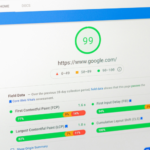






Understanding Website Optimization
Website optimization refers to the process of enhancing various elements of a website to improve its performance, usability, and visibility on search engines. For small business owners, effectively optimizing their website is essential for attracting and engaging customers. A well-optimized site not only provides a better user experience but also significantly influences the business’s online presence.
One of the key components of website optimization is enhancing user experience. This involves organizing the site in a way that makes navigation easy and intuitive for visitors. A user-friendly website encourages longer visits and helps in retaining potential customers. Elements such as clear calls to action, intuitive layouts, and accessible information contribute greatly to user satisfaction.
Another crucial aspect of website optimization is load speed. In today’s fast-paced digital landscape, website visitors expect pages to load quickly. Studies have shown that a delay of just a few seconds can result in high bounce rates, meaning visitors are likely to leave the site if it does not load promptly. Therefore, optimizing images, minimizing code, and utilizing caching techniques can significantly improve load times, leading to a more favorable viewer experience.
Moreover, optimizing a website is vital for enhancing visibility on search engines. Search engine optimization (SEO) involves implementing strategies that help a website rank higher in search engine results. This includes using relevant keywords, creating quality content, and ensuring that the site is mobile-friendly. By focusing on these elements, small business owners can increase their chances of being discovered by potential customers searching for products or services in their industry.
In conclusion, understanding the fundamentals of website optimization is critical for small business owners. By improving user experience, increasing load speed, and enhancing visibility on search engines, they can effectively drive more traffic to their sites and ultimately boost their business growth.
Importance of Mobile Optimization
In today’s digital landscape, the significance of having a mobile-friendly website cannot be overstated. With a growing number of users accessing online content through smartphones and tablets, it has become essential for small business owners to prioritize mobile optimization. Recent studies indicate that mobile devices now account for over half of all global web traffic, a trend that shows no signs of reversing. Thus, a website that is not optimized for mobile users risks alienating a significant portion of its potential audience.
Mobile optimization impacts user engagement directly. Websites that are designed for mobile devices generally offer a more seamless and enjoyable experience for users. This can lead to lower bounce rates, higher time on site, and ultimately, increased conversions. When users encounter a website that is difficult to navigate on their mobile devices, they are likely to leave and seek out more accommodating alternatives. Therefore, mobile optimization is not just a technical requirement; it is a critical component of user experience.
Moreover, the effects of mobile optimization extend beyond user engagement and directly influence search engine rankings. Major search engines, such as Google, have implemented algorithms that prioritize mobile-friendly websites in their search results. Websites that are not mobile-optimized are more likely to be penalized, leading to decreased visibility. This underlines the necessity for small business owners to invest in responsive web design and ensure their sites are accessible on all devices.
Ultimately, mobile optimization is a vital strategy for small businesses aiming to thrive in an increasingly mobile-first world. As more consumers turn to their smartphones to make purchasing decisions, having a mobile-friendly website can improve both user satisfaction and search engine performance, fostering long-term success.
Enhancing Site Speed
Website loading speed plays a crucial role in the overall user experience and search engine rankings. A slow website can lead to high bounce rates, as visitors are likely to abandon the site if it takes too long to load. Therefore, it is essential for small business owners to understand the various factors that impact loading speed and implement effective strategies for improvement.
One of the primary factors affecting site speed is large image files. High-resolution images, while visually appealing, can dramatically slow down a webpage. To mitigate this issue, small businesses should consider employing image compression techniques. This can be achieved by using tools that reduce the file size without significantly compromising image quality. By optimizing images, websites can load faster and provide a better experience for users.
Another important strategy involves leveraging browser caching. When caching is enabled, the browser stores certain elements of the webpage locally, allowing it to retrieve them from the cache on subsequent visits rather than downloading them again. This significantly reduces loading times for returning visitors. Small business owners can achieve this by adding appropriate caching rules in their website configuration, which allows frequent visitors to enjoy a faster browsing experience.
Additionally, minimizing HTTP requests can also boost website performance. Each element on a webpage, such as scripts, stylesheets, and images, requires a separate HTTP request. By simplifying the design and reducing the number of elements on a page, businesses can lower the amount of time needed to load a page. Tools such as CSS sprites can be utilized to combine multiple images into one, thus reducing the number of requests.
Incorporating these strategies will help small business owners to enhance their site speed effectively. By focusing on image optimization, leveraging browser caching, and minimizing HTTP requests, businesses can provide a much improved user experience while potentially increasing conversion rates and overall customer satisfaction.
Utilizing SEO Best Practices
Search engine optimization (SEO) is an essential aspect for small business owners looking to enhance their online visibility and attract more customers. Implementing effective SEO strategies can lead to increased organic traffic, which is crucial for growth and sustainability in today’s competitive market. This section explores key practices that can help small businesses optimize their online presence.
One of the fundamental components of SEO is keyword research. This process involves identifying the terms and phrases potential customers use when searching for products or services. Small business owners should employ tools such as Google Keyword Planner or SEMrush to discover relevant keywords that align with their offerings. By strategically incorporating these keywords into website content, titles, and meta descriptions, businesses can improve their chances of being ranked higher on search engine results pages (SERPs).
In addition to keyword integration, focusing on on-page SEO is vital. This includes optimizing various elements on the website such as headings, images, and internal links. Small business owners should ensure that their web pages load quickly, are mobile-friendly, and provide a seamless user experience. High-quality content is also a critical factor; therefore, it is advisable to regularly update the website with informative blog posts or articles that address customer needs and industry trends.
Moreover, building quality backlinks is another effective SEO strategy. Backlinks, or inbound links from other websites, signal to search engines that the content is credible and valuable. Small businesses can cultivate these connections through guest blogging, partnerships, and engaging in online communities relevant to their niche. A robust backlink profile can significantly enhance domain authority, leading to improved search rankings.
Overall, the adoption of these SEO best practices can empower small business owners to navigate the complexities of online marketing effectively. By focusing on keyword research, on-page optimization, and strategic backlink building, they can substantially increase their visibility and drive organic traffic to their websites.
Engaging Content Creation
In the digital age, creating high-quality, relevant content is paramount for small business owners aiming to engage their target audience. Engaging content serves as a cornerstone for a successful marketing strategy, fostering connections and promoting brand loyalty. To resonate effectively with consumers, content should not only be informative but also tailored to meet the needs and preferences of the audience. This personalization enhances the likelihood of interactions, such as shares and comments, thereby amplifying the brand’s reach.
One significant strategy is to regularly update your content. This does not merely mean revisiting old blog posts or articles; it involves refining, adding new information, and ensuring that the material is current and relevant. By maintaining an active presence, businesses can demonstrate expertise in their field while also keeping their audience informed. For instance, incorporating the latest industry trends or responding to commonly raised questions can position a business as a thought leader and build trust among its consumers.
Diversifying content formats also plays an essential role in engaging audiences. Businesses can utilize various mediums such as blogs, videos, and infographics to cater to different preferences and learning styles. For example, videos can greatly enhance storytelling capabilities, bringing products and services to life, while infographics can present complex information in an easily digestible format. This multifaceted approach not only keeps the audience engaged but also encourages them to interact with the content, leading to increased retention and conversion rates.
Ultimately, the essence of engaging content creation lies in understanding the target audience and delivering value through various engaging formats. By consistently providing relevant and high-quality content, small business owners can cultivate a loyal customer base and enhance their online presence.
User Experience (UX) Design Principles
User experience (UX) design plays an essential role in influencing visitor satisfaction and retention for small business websites. A well-optimized user experience can lead to increased engagement, higher conversion rates, and ultimately, enhanced business success. Understanding and implementing fundamental UX design principles is crucial for achieving these goals.
One of the primary principles of UX design is intuitive navigation. Visitors should find it easy to explore a website, locating the information they seek without confusion. A well-structured navigation menu, strategically placed links, and breadcrumb trails can significantly improve how users interact with a site. By organizing content logically and providing clear pathways, businesses can facilitate a seamless journey through their digital space.
Aesthetically pleasing layouts also contribute to a positive user experience. Visual elements such as colors, fonts, and images should align with the brand’s identity while remaining consistent throughout the site. A clutter-free design helps focus the user’s attention on essential content rather than overwhelming them with unnecessary elements. Responsive design is another crucial aspect, ensuring that the website functions smoothly on various devices, from desktops to smartphones.
Moreover, the importance of clear calls-to-action (CTAs) cannot be overstated. CTAs guide users toward desired actions—be it signing up for a newsletter, making a purchase, or contacting the business. By utilizing strategic placements and concise, actionable language, businesses can drive users toward these critical points more effectively. Emphasizing CTAs through contrasting colors and prominent placement can significantly improve their visibility and performance.
Incorporating these UX design principles not only enhances the visual appeal of a business website but also supports its functional effectiveness, leading to improved user satisfaction and retention rates. A focus on intuitive navigation, attractive layouts, and strong calls-to-action will ultimately encourage visitors to engage more deeply with the brand’s offerings.
Leveraging Analytics for Improvement
In today’s digital landscape, effective website performance monitoring is essential for small business owners aiming to enhance their online presence. Utilizing analytics tools provides invaluable data that aids in understanding user behavior, tracking performance metrics, and ultimately guiding optimization efforts. By effectively leveraging these analytics tools, small business owners can make informed decisions that contribute to their overall success.
Analytics tools, such as Google Analytics, offer a comprehensive overview of website performance. These platforms allow business owners to track various metrics, including page views, user sessions, and bounce rates. Understanding these key performance indicators (KPIs) is crucial for identifying areas that require improvement. For instance, analyzing bounce rates might indicate that users are not finding the content they seek or are experiencing navigation difficulties. By recognizing these trends, business owners can implement specific changes aimed at reducing bounce rates and enhancing user engagement.
Moreover, analytics tools shed light on user behavior. By examining data on how visitors interact with the website, business owners can determine which pages are receiving the most traffic and which elements are causing users to leave. This information is pivotal for optimizing content layout and enhancing user experience. A/B testing different layouts can further help in refining design and content to better meet user preferences.
The insights gained from analytics allow small business owners to tailor their marketing strategies effectively. By identifying the demographics, interests, and behaviors of their audience, business owners can align their content and promotional efforts with the preferences of potential customers. This targeted approach not only increases conversion rates but also fosters customer loyalty. Overall, by fully utilizing analytics tools, small business owners can gain a competitive edge and drive growth through informed, data-driven decisions.
Social Media Integration
Integrating social media into a small business website is essential for leveraging online presence and reaching a broader audience. One of the primary benefits of this integration is the ability to create shareable content that can easily be disseminated across various platforms. By producing engaging articles, infographics, videos, and other forms of content that resonate with your target audience, you enhance the likelihood of shares and interactions, which can significantly drive traffic back to your website.
Another critical aspect is the role of social proof. When potential customers see that others are engaging with your business on social media through likes, comments, shares, and positive reviews, they are more likely to develop trust in your brand. This trust can convert into higher engagement rates and ultimately lead to increased sales. Adding testimonials and user-generated content on your website not only bolsters credibility but also encourages more users to engage with your social media channels, thereby creating a favorable cycle of interaction.
Utilizing social media channels strategically can also enhance your website’s visibility. By regularly posting links to your website blog or product pages on platforms such as Facebook, Instagram, and Twitter, small business owners can guide their audience directly to their offerings. Each post acts as a pathway, directing potential customers to make desired actions on the website, such as signing up for newsletters or making purchases. Furthermore, using advertising tools available on these platforms allows for targeted outreach, ensuring the content reaches the most relevant audience. In conclusion, social media integration not only amplifies the reach of small business websites but actively fosters engagement and trust, making it a vital strategy for contemporary entrepreneurs.
Regularly Updating and Maintaining the Website
In the landscape of small business, effective website maintenance is a cornerstone of success. Ensuring that a website remains functional and relevant demands regular updates and audits. This is crucial not only for maintaining the aesthetic appeal of the site but also for optimizing performance and user engagement.
Regular website maintenance involves routine checks that ensure all elements of the site are operating correctly. This includes monitoring page load speeds, fixing broken links, and verifying that all multimedia content is displaying as intended. These actions play a significant role in enhancing user experience, which can directly impact customer retention and conversions.
In addition, security updates are indispensable. A small business website can become a target for cyber threats; therefore, it is essential to regularly apply security patches and updates to the content management system and plugins. This proactive approach not only protects sensitive customer data but also preserves the site’s integrity, contributing to customer trust and brand reputation.
Refreshing old content is another vital aspect of website maintenance that should not be overlooked. Updating blog posts, articles, and service descriptions with current information and relevant keywords can significantly improve search engine rankings. Search engines prioritize fresh, relevant content, making it essential for small business owners to revisit and refine older pages.
Conducting periodic audits of the website allows small business owners to assess performance metrics, user behavior, and site accessibility comprehensively. These insights are instrumental in tailoring online strategies to better meet the needs of the target audience, ensuring that the website continues to serve its purpose effectively.
In conclusion, a dedicated approach to regularly updating and maintaining a business website is crucial in the ever-evolving digital landscape. By committing to consistent audits, applying security updates, and refreshing content, small business owners can enhance their online presence and ensure long-term success.