






Understanding Conversion Rates
In the realm of online business, conversion rates serve as a critical metric for measuring the effectiveness of marketing strategies. A conversion rate is the percentage of visitors to a website who complete a desired action, such as making a purchase, signing up for a newsletter, or filling out a contact form. This metric is essential not only for evaluating the performance of specific campaigns but also for assessing the overall health of a business’s online operations.
Tracking conversion rates allows businesses to gauge how well they attract and engage their target audience. An increased conversion rate indicates that a marketing strategy is effectively resonating with consumers, leading to higher levels of customer engagement and ultimately, increased sales. Conversely, a low conversion rate may signal that a business needs to reevaluate its website design, content, or marketing tactics.
The significance of conversion rates extends beyond immediate sales figures. They provide insights into customer behavior, preferences, and how potential customers interact with a website. By analyzing these metrics, businesses can identify which elements are driving conversions, enabling them to optimize their online presence accordingly. For instance, A/B testing different landing page designs or call-to-action buttons can offer valuable information on what encourages visitors to take the desired actions.
Furthermore, businesses can use conversion rates to benchmark their performance against industry standards. This comparative analysis not only highlights areas for improvement but also assists in setting realistic goals for growth. It is crucial for businesses to regularly monitor their conversion rates to ensure sustained progress and to remain competitive in an ever-evolving online marketplace.
Overall, understanding conversion rates is fundamental for any business aiming to thrive in the digital landscape. By embracing these metrics, companies can make informed decisions, enhance user experience, and optimize their strategies for greater success.
Identifying Key Factors Affecting Conversion Rates
Online conversion rates are significantly influenced by various components of a website. One of the primary factors is the design of the website itself. A well-structured and visually appealing design can draw visitors in, while a cluttered or outdated interface can deter them from exploring further. Effective website design should focus on clarity and ease of navigation, allowing users to find the information they need without hassle.
User experience (UX) is another critical element that impacts conversion rates. A positive user experience fosters trust and satisfaction among visitors, encouraging them to take desired actions, such as making purchases or signing up for newsletters. Factors contributing to UX include intuitive navigation, responsive design on mobile devices, and accessible features for individuals with disabilities. These considerations ensure that all users have a seamless experience across different platforms.
Site speed plays a vital role in retaining visitors and improving conversion rates. Research indicates that slow-loading pages lead to higher bounce rates, meaning visitors are likely to leave before they even engage with the content. Therefore, optimizing site speed by minimizing image sizes, leveraging browser caching, and reducing server response time is essential for enhancing user engagement and increasing the likelihood of conversions.
Lastly, the relevance of content is paramount. Content that resonates with target audiences builds connections and drives conversions. Businesses must create high-quality, informative, and engaging content that aligns with the interests and needs of their potential customers. This alignment enhances the overall experience, making it more likely for visitors to interact with the website positively.
By recognizing these key factors and implementing effective strategies, businesses can significantly improve their online conversion rates. Each element works in tandem, fostering an environment that encourages visitor engagement and ultimately leads to higher conversion achievements.
Utilizing A/B Testing for Optimization
A/B testing, also known as split testing, is a method utilized by businesses to compare two versions of a webpage to ascertain which one performs better in terms of user engagement and conversion rates. This strategy involves showing different versions of a webpage to different segments of users at the same time and determining which version yields better outcomes, thereby enabling data-driven decisions.
The initial step in conducting effective A/B tests is to clearly define the objective of the test. Businesses should identify the specific metric they aim to improve, such as click-through rates, form submission rates, or sales conversions. This clarity will help in creating focused variations that target the desired behavior.
Once the goal is established, the next step is to create two distinct versions of the webpage—Version A (the control) and Version B (the variant). These versions may differ in various elements such as headlines, colors, buttons, or content layout. It is crucial to change only one element at a time to accurately measure its impact on user behavior. This isolation of variables allows for clear interpretations and findings.
After setting up the variations, businesses should use an appropriate testing platform to randomly assign visitors to either Version A or Version B. The duration of the test must be statistically significant; thus, businesses should run the test long enough to gather adequate data, avoiding bias caused by short testing durations.
Once the test concludes, analyzing the results is vital. Businesses can use statistical tools to determine which version had a higher conversion rate. This evaluation process not only provides insights into the preferences of the audience but also highlights the effectiveness of different design approaches.
In conclusion, A/B testing is a powerful strategy to optimize conversion rates for businesses by allowing them to make informed decisions based on empirical data, leading to enhanced user experience and increased sales efficacy.
Enhancing User Experience (UX)
User experience (UX) plays a crucial role in determining the conversion rates of online businesses. A positive UX not only retains visitors but also encourages them to complete desired actions, such as purchasing a product or signing up for a newsletter. Therefore, enhancing UX should be prioritized for any business aiming to increase online conversions.
One key aspect of effective UX is intuitive navigation. Users must be able to find information quickly and easily. A well-organized website with straightforward menus and a clear structure reduces frustration, guiding the user along a seamless journey. Implementing breadcrumb navigation can also assist users in understanding their current location on the site, further enhancing their overall experience.
Mobile responsiveness is another critical factor. With an increasing number of users accessing websites via mobile devices, ensuring that your site is fully optimized for various screen sizes is essential. A responsive design will provide a consistent and enjoyable experience across devices, which can significantly enhance conversion rates. Additionally, businesses should test their websites on different devices to identify and address any usability issues.
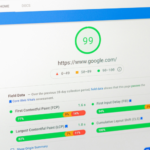
Fast loading times are imperative as well. Research shows that even a one-second delay in page load can lead to significant drops in conversions. To enhance loading speed, businesses can optimize images, utilize caching techniques, and minimize the use of large scripts. Tools like Google PageSpeed Insights can help identify areas for improvement, allowing for ongoing adjustments to maintain a quick loading experience.
Incorporating these strategies not only improves user experience but ultimately fosters increased trust and engagement. When users feel comfortable navigating a site, they are more likely to follow through on conversions. Consequently, focusing on enhancing UX is a fundamental step for businesses interested in improving their online performance.
Crafting Compelling Call-To-Action (CTA) Buttons
In the realm of digital marketing, a well-designed call-to-action (CTA) button stands as a critical element that can significantly influence online conversion rates for businesses. These buttons guide users toward taking desired actions, such as signing up for a newsletter, making a purchase, or downloading an app. Thus, it is essential to understand what makes a CTA compelling and effective.
Firstly, action-oriented language is paramount in crafting a successful CTA. Words that instigate action, such as “Download Now,” “Get Started,” or “Claim Your Free Trial,” tend to elicit a quicker response from users. By using imperative verbs, you create a sense of urgency and prompt users to engage with your content immediately. Furthermore, the language should resonate with the target audience, aligning with their motivations and desires.
Additionally, visibility plays a crucial role in the effectiveness of CTA buttons. They need to be prominently displayed on the webpage, ensuring that users cannot overlook them. Utilizing contrasting colors can enhance visibility, drawing the user’s attention toward the button. The size of the CTA is also important; it should be large enough to be easily clickable but not so large that it overwhelms the surrounding content.
The placement of CTA buttons on a page is another key aspect to consider. Research suggests that buttons situated above the fold—where a user sees upon landing on the page without scrolling—perform better than those located further down. Moreover, incorporating CTA buttons at strategic points throughout the user journey is advisable, allowing for multiple opportunities to engage.
Incorporating these elements can lead to the creation of compelling CTA buttons that effectively guide users toward desired actions. A thoughtful approach to action-oriented language, visibility, and placement will enhance the overall user experience and contribute to improved online conversion rates for businesses in the digital landscape.
Leveraging Social Proof to Build Trust
Social proof is a psychological phenomenon where individuals look to the behavior of others to guide their own actions, particularly in situations of uncertainty. In the context of online businesses, leveraging social proof is a critical strategy for enhancing trust and ultimately driving higher conversion rates. As consumers navigate through numerous options, they often rely on external validations to make informed decisions. Thus, effectively showcasing social proof can lead to substantial increases in customer engagement and sales.
One of the most powerful forms of social proof is customer testimonials. By displaying authentic feedback from satisfied clients, businesses can significantly enhance their credibility. These testimonials serve as endorsements and can alleviate potential customers’ concerns about product quality or service efficiency. When prospective buyers see that others have had positive experiences, they are more likely to feel reassured that they too will achieve satisfactory outcomes.
Another effective approach is to incorporate online reviews. Platforms such as Google, Yelp, and Trustpilot provide consumers with an array of assessments regarding products and services. Positive reviews, especially those highlighting unique selling points, can be influential in guiding potential buyers through their purchasing journey. Additionally, businesses can showcase aggregated ratings to give an immediate overview of customer satisfaction levels, which can offer additional reassurance.
Case studies also play a significant role in illustrating the effectiveness of products or services. By presenting detailed accounts of how existing customers have successfully utilized offerings, companies can effectively demonstrate value and build trust. This strategy not only highlights the benefits of the product but also provides relatable narratives that potential clients can connect with.
Incorporating these social proof elements into digital marketing strategies can significantly influence purchasing decisions. Companies that make the most of testimonials, reviews, and case studies will likely see improved online conversion rates and a strengthened relationship with their audience.
Implementing Effective Email Marketing Strategies
Email marketing plays a crucial role in converting leads into loyal customers. By leveraging this powerful tool, businesses can nurture relationships, build trust, and ultimately enhance conversion rates. To maximize the effectiveness of email campaigns, it is essential to implement several strategies that revolve around engaging content, audience segmentation, and personalization.
Firstly, crafting engaging emails is fundamental to capturing the attention of potential customers. The subject line serves as the first point of contact and should be crafted to intrigue and encourage opens. Including compelling content that addresses the audience’s pain points or interests will keep recipients engaged. Additionally, utilizing clear and persuasive calls-to-action (CTAs) can guide recipients toward desired actions, such as making a purchase or signing up for a free trial.
Secondly, segmentation of the audience is critical for targeted email campaigns. By dividing the email list into specific groups based on demographics, purchase history, or behavior, businesses can better tailor their messages. This targeted approach ensures that the content is highly relevant, which significantly increases the likelihood of conversion. For example, sending product recommendations based on previous purchases can enhance the overall customer experience and drive sales.
Moreover, personalization can significantly improve conversion rates. Personalized emails that address the recipient by name or reference their previous interactions create a sense of connection. This customized approach not only makes the communication feel more intimate but also encourages engagement. Including personalized product recommendations and exclusive offers can further entice recipients to take the desired actions.
In conclusion, by implementing effective email marketing strategies that focus on creating engaging content, segmenting the audience, and personalizing messages, businesses can significantly improve their conversion rates. Emphasizing these aspects within email campaigns can guide leads through the buyer’s journey, ultimately leading to a higher rate of customer acquisition.
Using Analytics to Track Performance
In the digital landscape, businesses must prioritize the use of analytics tools to effectively monitor website performance and improve conversion rates. Analytics platforms provide invaluable insights that enable organizations to understand user behavior, track engagement metrics, and identify opportunities for optimization. By leveraging these tools, businesses can adopt a data-driven approach to their marketing strategies.
Key metrics that should be assessed include the overall traffic to the website, the bounce rate, conversion rate, and the average time spent on site. Understanding the traffic sources, such as organic search, social media, or paid advertising, is crucial for evaluating what channels drive the most valuable visitors. Monitoring the bounce rate helps businesses gauge how well their landing pages resonate with users, while the conversion rate directly measures the effectiveness of turning visitors into customers. Analyzing the average time spent on a site can also provide insight into how engaging the content is to potential customers.
Setting up tracking for these metrics typically involves integrating analytics software, such as Google Analytics, into the website. This setup can include the definition of conversion goals, utilizing event tracking, and establishing funnels to visualize the user journey from initial engagement to conversion. By establishing these benchmarks, businesses can develop a clear understanding of their performance, allowing them to make informed decisions based on real data.
Insights derived from analytics not only highlight areas needing improvement but also guide the refinement of marketing strategies. For example, if data shows that visitors are dropping off at a specific point in the conversion funnel, businesses can adjust their approaches to address and rectify these inadequacies. Additionally, continually monitoring performance helps organizations stay agile and responsive to changing market conditions, ultimately enhancing their ability to meet conversion goals.
Continuous Improvement and Testing
In the ever-evolving digital landscape, businesses must recognize the importance of continuous improvement and rigorous testing to enhance their online conversion rates. This process involves systematically refining and optimizing various elements of the business’s website and marketing strategies to adapt to changing consumer preferences and technological advancements. As consumer behavior shifts, it becomes critical for businesses to keep abreast of these changes and adjust their approaches accordingly.
One effective method for achieving improvement is through A/B testing, which allows businesses to compare two versions of a webpage to see which one performs better in terms of conversion rates. By exploring different headlines, images, or calls-to-action, businesses can gain valuable insights into what resonates most with their audience. This data-driven approach ultimately leads to more effective strategies that align closely with customer expectations.
Moreover, leveraging analytical tools enables businesses to track and measure the effectiveness of their optimization efforts. Understanding metrics such as bounce rates, time on site, and conversion funnels help pinpoint areas needing improvement. Continuous monitoring ensures that businesses can swiftly respond to these insights, refining their strategies on a regular basis. Additionally, as new technologies emerge, such as artificial intelligence and machine learning, they offer innovative ways to analyze customer data and predict trends effectively.
Adopting a growth mindset is essential for businesses looking to enhance their online conversion rates. It fosters an environment where experimentation is encouraged, and learning from failures is viewed as an opportunity for growth. As competitors also evolve, businesses must remain proactive and embrace continuous testing and optimization to stay ahead in the market.
In conclusion, the journey towards improving conversion rates is ongoing. By committing to continuous improvement and employing effective testing techniques, businesses can adapt to trends and consumer behaviors, ultimately achieving sustained success in their online endeavors.