
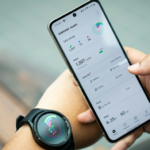




Introduction to Wearable Technology in Health
Wearable technology has emerged as a revolutionary component in the health and fitness industry, fundamentally transforming how individuals monitor and improve their well-being. These devices, which can be worn on the body, include a wide range of gadgets such as fitness trackers, smartwatches, and even advanced medical equipment. The significance of these tools lies not only in their ability to collect real-time data but also in how they empower users to take control of their health journeys.
Fitness trackers are among the most popular types of wearable devices. They typically offer basic functionalities like step counting, heart rate monitoring, and sleep tracking. These features provide users with insights into their daily activities, allowing them to set and achieve fitness goals. On the other hand, smartwatches combine fitness tracking with expanded capabilities, such as messaging, calling, and access to various apps, enhancing overall user experience by providing a more integrated approach to health monitoring.
As technology has advanced, the evolution of wearable devices has led to more sophisticated capabilities. Modern wearables now incorporate sensors that can track an array of health metrics, including blood oxygen levels, stress, and even ECG readings. This evolution signifies a shift from mere activity tracking to comprehensive health management. Consequently, users can monitor their physiological status in real-time, which fosters a more proactive approach to health and fitness.
Furthermore, the integration of wearable technology into everyday life has made tracking health metrics more accessible than ever before. With the convenience of having essential health information readily available at one’s fingertips, individuals can better understand their bodies and make informed decisions regarding their health. Overall, the significance of wearable technology in the health sector cannot be overstated, as it continues to enhance how individuals manage their fitness and well-being.

Key Features of Wearable Health Devices
Wearable health devices have become increasingly popular due to their ability to monitor various health metrics and fitness activities. These devices are equipped with a range of features that provide users with vital information about their health and fitness levels. One of the most significant features is heart rate monitoring, which allows individuals to track their heart rate in real time. By utilizing optical sensors, these devices can measure the pulse through the skin, helping users understand their cardiovascular health and allowing for optimal workout intensity adjustments.
Another crucial feature found in wearable health devices is step tracking. This function counts the number of steps taken throughout the day, providing users with an easy way to set and achieve daily activity goals. The accuracy of step tracking has improved with advancements in accelerometer technology, enabling more reliable measurements of both walking and running activities. Additionally, step tracking can help in promoting a more active lifestyle by encouraging users to meet their recommended daily movement.
Sleep analysis is yet another significant feature that wearable health devices offer. By monitoring movement and heart rate variability during sleep, these devices can provide insights into sleep patterns and quality. Users can benefit from understanding their sleeping habits, as this information can lead to improvements in overall health and well-being. Quality sleep is essential for recovery and performance, making this feature invaluable for fitness enthusiasts.
Finally, GPS functionality is commonly integrated into wearable health devices. This feature enables users to track their outdoor activities, such as running or cycling, with precision. GPS not only records distance traveled but can also provide information about pace and route, making it easier for users to assess their progress over time. Such detailed tracking contributes significantly to setting achievable fitness goals and enhancing the overall activity experience.
Incorporating these features, wearable health devices empower individuals to engage in better health and fitness tracking, ultimately leading to improved physical performance and awareness of personal health metrics.
Benefits of Wearable Technology for Fitness Enthusiasts
Wearable technology has increasingly become an integral part of the fitness landscape, offering numerous advantages to fitness enthusiasts. By leveraging devices such as smartwatches, fitness bands, and heart rate monitors, individuals can enhance their exercise routines and overall health management. One of the primary benefits is personalized workout tracking, which allows users to monitor their physical activities in real time. This functionality enables individuals to customize their training sessions based on real-time feedback, adjusting their efforts to optimize performance.
In addition to tracking workouts, wearable technology provides data-driven insights that can lead to improved performance. By analyzing metrics such as heart rate, calorie expenditure, and time spent in various exercise zones, users can identify patterns, set realistic goals, and make informed decisions regarding their fitness routines. This data helps in recognizing strengths and weaknesses, allowing individuals to focus on specific areas that require improvement. For instance, detecting when one is overtraining can prevent injuries and enhance overall recovery.
Moreover, motivation stands as a crucial factor in any fitness journey. Wearable technology fosters this motivation through goal-setting features and challenges. Users can establish personal fitness objectives and monitor their progress toward achieving them. Many devices also offer social challenges where individuals can compete against friends or join community challenges, turning fitness into a more engaging and enjoyable activity. This gamification aspect can significantly boost adherence to workout routines and encourage a more active lifestyle.
Overall, the incorporation of wearable technology into fitness regimens benefits users by providing tailored tracking, insightful data analysis, and motivating elements that drive commitment to health and fitness goals. With these tools, fitness enthusiasts can maximize their potential and effectively meet their personal goals.
Impact of Wearable Devices on Health Monitoring
Wearable technology has fundamentally transformed health monitoring, particularly for individuals living with chronic conditions. These devices, which include smartwatches, fitness trackers, and specialized health monitors, provide users with continuous tracking capabilities. By collecting data on vital signs, physical activity levels, and other health metrics in real-time, wearables empower users to take proactive steps toward managing their health.
One of the most significant advantages of wearable technology is its ability to facilitate real-time health data sharing between users and healthcare professionals. This immediate access to information supports better decision-making and enhances the overall care experience. Patients can easily transfer data from their devices to healthcare providers, enabling timely interventions when necessary. For example, a wearable heart monitor can alert both the patient and their physician to irregular heart rhythms, allowing for prompt assessment and treatment.
Additionally, wearable devices contribute to personalized healthcare strategies. Users can receive tailored recommendations based on their continuous data streams, making health management more effective and specific to individual needs. This real-time tracking not only fosters accountability and motivation among users but also enhances the monitoring of conditions such as diabetes, cardiovascular diseases, and respiratory issues.
As we observe a growing integration of wearable technology into everyday life, it is evident that these devices are not just fitness gadgets; they play a crucial role in chronic disease management and prevention. The ability to track health metrics continuously offers insights that were previously challenging to obtain without frequent clinical visits. With advances in technology, wearable devices are positioned to further bridge gaps in healthcare, fostering a more proactive approach to health monitoring.
In conclusion, the impact of wearable devices on health monitoring is profound. They not only aid individuals in managing chronic conditions but also facilitate a collaborative approach to healthcare, engaging both patients and professionals in a shared commitment to better health outcomes.
Integration with Mobile Apps and Other Technologies
Wearable devices have revolutionized the approach to health and fitness tracking, largely due to their seamless integration with mobile applications and other technological platforms. This synergy enhances user experience and promotes a more comprehensive health management system. By using smartphones as the central hub, wearable technology can efficiently collect, analyze, and display health-related data.
When wearables sync with mobile applications, they create a streamlined process for users to monitor their fitness goals and health metrics. For instance, data from fitness trackers can be integrated into dedicated health apps. These applications often provide advanced analytics, allowing users to visualize their progress over time and receive personalized recommendations. This connectivity ensures that tracking remains accurate and insightful.
Moreover, the integration of wearable devices extends beyond just smartphones. They can also connect with smart home devices, such as smart speakers and home automation systems. This interoperability allows users to receive health updates or reminders without needing to be tethered to their phones. For example, a smart home assistant could remind someone to stand up if their wearable device detects prolonged inactivity, thus encouraging a more active lifestyle.
Furthermore, wearable technology can connect with telehealth services, making it easier for users to share their health data with healthcare professionals. This capability promotes holistic health management, as doctors can easily access real-time information, enabling them to make informed decisions about patient care. Overall, the integration of wearable devices with mobile apps and other technological platforms significantly enhances their functionality and the user’s ability to manage their health effectively.
Challenges and Limitations of Wearable Health Technology
The rise of wearable health technology, such as fitness trackers and smartwatches, has revolutionized personal health management. However, alongside the benefits that these devices offer, several challenges and limitations persist, which can hinder their effectiveness and widespread adoption.
One prominent challenge is the concern surrounding data privacy. Wearable devices are capable of collecting a vast amount of personal health data, including heart rates, sleep patterns, and activity levels. This data, if not adequately protected, poses significant risks, such as unauthorized access and misuse by third parties. Users may feel anxious about how their information is stored and shared, resulting in hesitancy to adopt these technologies. As data breaches become more common, maintaining user trust is crucial for the continued growth of this industry.
Another critical limitation relates to the accuracy of the health metrics provided by these devices. While wearables can collect a multitude of data points, discrepancies can arise in their accuracy. Factors such as improper usage, environmental influences, or technological malfunctions can lead to false readings. For instance, a fitness tracker might misinterpret movements while exercising, which could affect the reliability of vital information such as caloric expenditure. This inaccuracy can mislead users about their health status and undermine their fitness goals.
Additionally, there exists a digital divide among different demographics that can affect the adoption of wearable health technology. Factors such as age, socioeconomic status, and technological literacy can significantly influence a person’s ability to use these devices effectively. Many individuals from lower-income backgrounds may not have access to the latest wearables or the internet, limiting their opportunities to participate in the benefits offered by health tracking technology. Without addressing these disparities, the potential of wearable health devices to improve public health could remain unfulfilled.
In conclusion, while wearable health technology presents numerous advantages, it is essential to recognize and address the challenges and limitations it faces, including data privacy, accuracy concerns, and accessibility issues. Overcoming these barriers will be crucial to enhance the effectiveness and inclusivity of health and fitness tracking in the future.
Future Trends in Wearable Health Technology
The evolution of wearable technology, particularly in the arena of health and fitness, showcases a trajectory of continuous innovation and enhancement. As we look towards the future, several anticipated trends promise to redefine the landscape of personal health management through these devices.
One major trend is the integration of artificial intelligence (AI) in wearable health technology. This integration will likely enable wearables to not only collect data but also analyze it in real-time, providing more personalized insights to users. For instance, AI could help in detecting patterns in an individual’s heart rate or activity levels, facilitating timely interventions when necessary. This ability to harness large amounts of data can lead to predictive analytics, allowing users to anticipate their health needs before they become urgent.
In addition to AI, we can expect considerable advancements in data analytics capabilities. Future wearable devices will likely feature enhanced sensors and algorithms that offer more accurate readings of vital signs and health metrics. This will not only improve the reliability of data collected but also enable a more nuanced understanding of an individual’s health status. As the technology matures, users may see features such as hydration monitoring, improved sleep tracking, and even stress level detection becoming mainstream.
Moreover, potential new features could emerge that extend beyond traditional health tracking. We may witness wearables that incorporate augmented reality (AR) to provide immersive fitness instructions or virtual coaching experiences, making exercise more engaging and efficient. Continuous advancements in battery technology may also result in capabilities that allow devices to operate longer without needing a charge, which is a frequent concern among users today.
Overall, the future of wearable health technology is poised to be marked by significant advancements that aim to enhance the user experience, providing not only more accurate health tracking but also fostering a deeper understanding of personal health management. Through the integration of AI and improved data analytics, wearable devices will become pivotal tools in promoting a healthier lifestyle.
Case Studies: Successful Applications of Wearables
Wearable technology has revolutionized the health and fitness landscape, enabling users to track their activities, monitor their health metrics, and ultimately enhance their overall well-being. Several case studies exemplify the positive impact of these devices in real-life scenarios.
One significant case study involves a group of individuals participating in a workplace wellness program that integrated fitness trackers. Employees were encouraged to wear smartwatches that monitored their daily steps, heart rates, and activity levels. Over a six-month period, this initiative resulted in a notable 30% increase in physical activity among participants. Employees reported feeling more engaged and motivated to pursue healthier lifestyles, which also contributed to a decrease in health-related absenteeism.
Another compelling example comes from a longitudinal study focusing on patients with chronic health conditions, such as diabetes and hypertension. Participants were equipped with wearable glucose monitors and heart rate sensors, allowing them to track their health metrics consistently. The data collected facilitated timely interventions from healthcare professionals, leading to improved management of their conditions. In this study, participants exhibited a 20% reduction in emergency visits and hospitalizations, showcasing how wearables can play a crucial role in chronic disease management.
A further instance can be observed in the athletic community, where professional athletes and coaches have embraced wearables to analyze performance data. For instance, a renowned marathon runner incorporated a sophisticated GPS watch that provided real-time feedback on pace, heart rate, and altitude changes during training. This data-driven approach enabled the athlete to optimize training regimens, resulting in personal best records and significantly improved competition outcomes.
These case studies illustrate the transformative potential of wearable technology in health and fitness. By providing critical insights and fostering behavior changes, wearables can lead to improved health outcomes and an enhanced quality of life for users across various demographics.
Conclusion and Call to Action
In conclusion, wearable technology has significantly transformed the landscape of health and fitness tracking. From smartwatches to fitness bands, these devices offer users a wealth of information that can help optimize their health routines and lifestyle choices. By continuously monitoring vital metrics such as heart rate, physical activity levels, and sleep quality, individuals are empowered to make informed decisions about their health.
As we have discussed throughout this blog, incorporating wearable devices into daily routines can lead to improved motivation and accountability. These technologies not only track progress but also provide insights into areas that may require adjustments. For instance, a fitness tracker can highlight trends in activity levels and suggest personalized goals based on the user’s performance. This personalized feedback mechanism enhances the overall experience of fitness enthusiasts and health-conscious individuals alike.
Moreover, the advancements in wearable technology continue to evolve, integrating features that foster better health management. These innovations can support users in achieving more profound health insights, ranging from monitoring chronic conditions to tracking hydration levels. With so many options available, users can choose devices that best align with their fitness objectives and lifestyle preferences.
We encourage readers to consider how they might integrate wearable technology into their own health and fitness journeys. Whether you are just starting or looking to optimize your existing routine, embracing wearable devices may offer the support you need to enhance your overall well-being. By making informed health decisions aided by these technological advancements, individuals can unlock new potential in their pursuit of a healthier lifestyle. So take the leap, explore various wearable technologies, and see how they can help you achieve your health and fitness goals.