





Introduction to Macronutrients
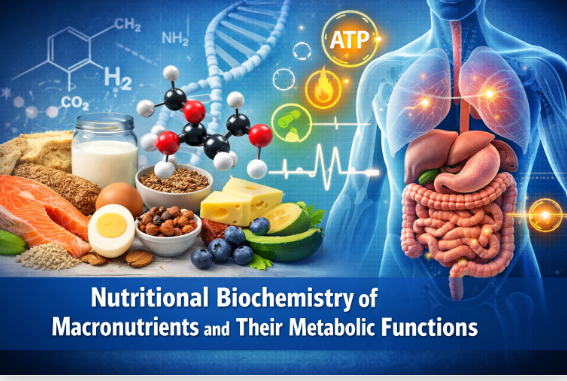
Macronutrients are essential nutrients that provide the energy necessary for the body’s metabolic processes and are critical for various biological functions. The three primary categories of macronutrients are proteins, carbohydrates, and fats. Each of these macronutrients plays a unique role in maintaining health and supporting growth, development, and cellular repair.
Proteins are made up of amino acids, which are crucial for building and repairing tissues such as muscles, skin, and organs. They serve not only as building blocks but also participate in numerous metabolic reactions as enzymes and hormones. Adequate protein intake is important for overall health, as it can affect muscle mass, immune function, and various physiological processes.
Carbohydrates are typically the body’s primary source of energy. They can be classified into simple carbohydrates, like sugars, and complex carbohydrates, such as starches and fibers. Carbohydrates break down into glucose, which fuels cellular activities and supports brain function. While they are often labeled as unhealthy in some dietary approaches, carbohydrates are vital for proper energy levels and should be included in a balanced diet.
Fats, often misunderstood, are also a crucial part of nutrition. They provide a concentrated form of energy and are involved in cellular structures, hormone production, and nutrient absorption. There are several types of dietary fats, including saturated, unsaturated, and trans fats, each with varying effects on health. Consuming healthy fats is associated with numerous benefits, such as improved heart health and cognitive function.


Understanding the role and importance of these macronutrients in nutrition is fundamental for comprehending their biochemical properties and how they function metabolically. Each macronutrient contributes significantly to sustaining life, optimizing physical performance, and promoting overall well-being.
Understanding Proteins: Structure and Function
Proteins are complex biomolecules made up of amino acids, which are the building blocks that define their diverse array of functions within living organisms. Each protein consists of a specific sequence of amino acids determined by the genetic code, resulting in unique structural configurations that allow them to perform various roles in biological processes.
The structure of proteins can be categorized into four distinct levels: primary, secondary, tertiary, and quaternary. The primary structure refers to the linear sequence of amino acids linked by peptide bonds. This sequence dictates the higher-order structures, such as secondary structures, which include alpha helices and beta sheets formed through hydrogen bonding. The tertiary structure is achieved when these secondary structures fold into a three-dimensional configuration, stabilized by various interactions, including hydrophobic interactions, ionic bonds, and disulfide bridges. Finally, some proteins consist of multiple polypeptide chains that assemble into a quaternary structure, which is crucial for their functional diversity.
Understanding the relationship between protein structure and function is pivotal, as proteins engage in a myriad of metabolic processes essential for life. They act as enzymes, catalyzing biochemical reactions, while also serving as structural components of cells and tissues. Furthermore, proteins play vital roles in hormonal signaling, affecting physiological functions and homeostasis. For instance, insulin, a protein hormone, regulates glucose metabolism, highlighting the importance of protein dynamics in metabolic pathways. Additionally, proteins are instrumental in the immune response, where antibodies recognize and neutralize pathogens, showcasing their protective functions.
Thus, the intricate relationship between a protein’s structure and its functional capabilities underscores the critical role of proteins in maintaining metabolic balance and overall health.
The Role of Carbohydrates in Metabolism
Carbohydrates are one of the three macronutrients essential for human health, providing a primary source of energy for the body. They can be classified into two main categories: simple carbohydrates and complex carbohydrates. Simple carbohydrates, or sugars, are quickly digested and absorbed, resulting in rapid spikes in blood glucose levels. In contrast, complex carbohydrates, which include starches and fiber, undergo a more prolonged digestion process. This slower absorption rate helps maintain steady energy levels and is beneficial for overall metabolic health.
The digestion of carbohydrates begins in the mouth, where enzymes like salivary amylase initiate the breakdown process. As carbohydrates travel through the digestive tract, they are further broken down into monosaccharides, primarily glucose, which is then absorbed into the bloodstream. Once in the bloodstream, glucose levels rise, prompting the pancreas to release insulin, a hormone that facilitates the uptake of glucose by cells. Glucose serves as a vital fuel source for various tissues, particularly those with high energy demands, such as muscle and brain cells.
Additionally, carbohydrates play a significant role in energy homeostasis. When carbohydrate intake is sufficient, the body utilizes glucose as its main energy substrate. However, if carbohydrate intake is low, the body can adapt by converting other macronutrients, such as fats and proteins, into glucose through gluconeogenesis. This metabolic flexibility is crucial for sustaining energy levels during periods of fasting or intense exercise.
Moreover, the impact of carbohydrates on blood sugar levels is of paramount importance. Diets high in simple carbohydrates can lead to rapid fluctuations in blood glucose, potentially contributing to insulin resistance over time. Conversely, diets rich in complex carbohydrates, along with dietary fiber, can help regulate blood sugar levels and support overall metabolic health. Understanding the various types of carbohydrates and their metabolic functions is essential for developing an effective nutritional strategy that promotes energy balance and health.
Fats: Types and Their Biological Importance
Dietary fats are a critical component of the human diet, providing essential energy and serving multiple roles in maintaining optimal health. Fats can be broadly classified into three categories: saturated, unsaturated, and trans fats. Each type has distinct chemical structures and biological functions that significantly impact nutritional biochemistry.
Saturated fats are primarily found in animal products such as meat and dairy, as well as certain plant oils like coconut oil. They are solid at room temperature and are commonly associated with increased cholesterol levels when consumed in excess. However, saturated fats provide a concentrated energy source and play a vital role in hormone production and cellular function.
Unsaturated fats, which include monounsaturated and polyunsaturated fats, exist in a liquid state at room temperature and are predominantly found in plant-based oils, nuts, and seeds. These fats are known for their beneficial effects on heart health and inflammation. They are essential for the formation of cell membranes, contributing to cell integrity and signaling. Furthermore, certain polyunsaturated fats, such as omega-3 and omega-6 fatty acids, are crucial for brain development and function.
Trans fats, on the other hand, are artificially created through the hydrogenation process and are often found in processed foods. They are associated with numerous health risks, including heart disease and increased levels of bad cholesterol, making their consumption inadvisable. The body does not require trans fats, and their presence in the diet does not provide any health benefits. Overall, the intake of dietary fats plays a significant role in various physiological processes including energy storage, cell membrane structure maintenance, and hormone production. Understanding the types of fats and their impacts on health is essential for making informed dietary choices. A balanced approach to fat intake, focusing on healthy fats while minimizing harmful types, is crucial for sustaining long-term wellness.
The Interplay of Macronutrients in Metabolism
Macronutrients, including carbohydrates, proteins, and fats, play vital roles in the metabolic processes essential for sustaining life. The interaction among these macronutrients is crucial, as they do not act in isolation but rather influence each other’s utilization within the body. This intricate interplay is evident in several metabolic pathways, such as gluconeogenesis and transamination, where the body coordinates energy production and nutrient synthesis.
For instance, during periods of fasting or low carbohydrate intake, the body may rely on gluconeogenesis to generate glucose from non-carbohydrate precursors. Here, amino acids derived from proteins can serve as glucose substrates. This process highlights the interplay between carbohydrates and proteins, where energy needs dictate the conversion of amino acids into glucose to maintain blood sugar levels. Furthermore, the presence of adequate fat stores aids in the sparing of muscle protein, underscoring the synergistic relationship between fats and proteins in nutrient utilization.
Moreover, transamination exemplifies another metabolic interaction whereby amino groups are transferred from amino acids to keto acids, enabling the synthesis of new amino acids. This process is critical in maintaining amino acid pools in the body and showcases how proteins can leverage carbohydrates and fats to maximize energy production. The balance of macronutrients is pivotal to optimize these metabolic pathways, as excessive consumption or deficiency of one macronutrient can disrupt metabolic homeostasis.
A well-rounded diet ensures that the body receives an adequate supply of all macronutrients, facilitating these essential interactions. When the diet is balanced, the body prioritizes the use of carbohydrates as a primary energy source while employing proteins and fats more flexibly as metabolic needs dictate. Thus, an understanding of the interplay of macronutrients is imperative for anyone interested in nutritional biochemistry and its application to healthy eating practices.
Dietary Requirements and Recommendations
The Recommended Dietary Allowances (RDAs) for macronutrients, which include carbohydrates, proteins, and fats, serve as essential guidelines for nutrition. These allowances vary significantly based on several factors, including age, sex, and level of physical activity. For instance, adult males generally require more protein than females due to higher muscle mass and metabolic demands. Similarly, children and adolescents, who are in their growth phases, has different macronutrient needs compared to adults, necessitating tailored dietary recommendations.
Carbohydrates are typically recommended to make up 45-65% of total daily caloric intake. This range takes into consideration energy requirements for daily activities and exercise. For proteins, the general guideline suggests a need for 10-35% of total calories, with specific recommendations indicating approximately 0.8 grams of protein per kilogram of body weight for the average adult. However, individuals engaged in intensive physical training may require increased protein intake to support muscle recovery and growth.
Fats, while often viewed with suspicion in dietary discussions, are equally important, constituting about 20-35% of daily caloric intake depending on one’s health status and activity level. The focus should be on the quality of fats consumed, emphasizing unsaturated fats over saturated fats. Despite common beliefs that dietary compliance is uniform, misconceptions abound regarding macronutrient needs; for instance, some individuals mistakenly believe that all carbohydrates should be avoided for weight management.
In essence, understanding the recommended dietary allowances for macronutrients is crucial for achieving optimal health. Tailoring these guidelines to individual lifestyle factors can ensure that nutritional requirements are met and maintained, contributing to overall well-being. Adopting a balanced approach toward macronutrient intake can mitigate risks associated with both undernutrition and overnutrition.
Impact of Macronutrient Imbalance on Health
The consumption of macronutrients in unbalanced ratios can cause a myriad of health issues, particularly concerning obesity, metabolic syndrome, and nutrient deficiencies. Each macronutrient—carbohydrates, fats, and proteins—plays a distinct role in the body, and an imbalance can lead to serious physiological consequences.
Obesity is one of the most direct outcomes of an improper proportion of macronutrients. When an individual consumes excessive carbohydrates and fats but insufficient protein, the result can be an increase in body fat percentage. Research indicates that diets high in refined carbohydrates may lead to insulin resistance, a precursor to obesity and related disorders. The World Health Organization has reported that obesity is a significant risk factor for chronic diseases, including type 2 diabetes and cardiovascular complications.
Metabolic syndrome is another critical health issue associated with macronutrient imbalance. This syndrome encompasses a range of conditions—such as hypertension, high blood sugar levels, and abnormal cholesterol levels—that occur together, increasing the risk of heart disease and stroke. A study in the “Journal of Nutrition” highlights how a diet excessively composed of sugars and saturated fats contributes to the development of metabolic syndrome. Inadequate intake of healthy fats and proteins can exacerbate these conditions, leading to systemic inflammation and hormonal imbalances.
Nutrient deficiencies are a further consequence of macronutrient imbalance, where one or more macronutrients are overconsumed at the expense of others. A diet low in essential fatty acids or proteins can impair immune function and muscle synthesis, among other adverse effects. The absence of critical nutrients can lead to long-lasting deficiencies, affecting overall health and well-being. Nutritional strategies emphasizing the balanced intake of macronutrients are thus paramount in preventing such imbalances and promoting better health.
The Future of Nutritional Biochemistry and Research Trends
In recent years, nutritional biochemistry has witnessed a paradigm shift towards understanding the intricate relationships between diet, metabolism, and individual health. One of the most significant emerging trends is personalized nutrition, which emphasizes tailored dietary recommendations based on an individual’s genetic makeup, lifestyle, and biological markers. This approach aims to optimize nutrient intake for enhanced health outcomes and disease prevention, reflecting a more individualized understanding of macronutrient metabolism.
Another critical area of focus is the impact of the gut microbiome on macronutrient metabolism. Research has revealed that the diverse microbial community residing in the gastrointestinal tract plays a pivotal role in how macronutrients are processed and utilized. For instance, certain gut bacteria are involved in the fermentation of dietary fibers, producing short-chain fatty acids that can significantly influence metabolic processes. As our comprehension of these microbial interactions deepens, it becomes increasingly evident that gut health must be taken into consideration when developing dietary recommendations and interventions.
Advances in nutritional genomics further illustrate the potential of combining genetic insights with nutritional biochemistry. This field investigates how genetic variations affect individual responses to different macronutrients, paving the way for more personalized dietary guidelines. By integrating genomic data with metabolic responses, researchers can develop targeted nutritional strategies that cater to specific population groups or individuals, maximizing the benefits of dietary interventions.
As these trends continue to evolve, they may significantly reshape the future of dietary recommendations. Embracing the complexities of individual variability will likely lead to more effective strategies for nutrition-related health issues, enabling healthcare professionals to provide better preventive care and guidance.
Conclusion: The Holistic View of Macronutrients
Understanding the nutritional biochemistry of macronutrients—carbohydrates, proteins, and fats—provides a foundation for making informed dietary choices that can significantly enhance overall health. Each macronutrient plays distinct yet interconnected roles in the body, contributing to vital processes such as energy production, muscle repair, and hormone synthesis. Carbohydrates serve as the primary energy source, while proteins are crucial for tissue maintenance and enzymatic functions. Fats, often misunderstood, are essential for cell structure and nutrient absorption.
Throughout this discussion, the significance of balancing these macronutrients has emerged. Each individual’s dietary needs may vary based on several factors, including age, activity level, and health status. This diversity underscores the complexity of nutritional biochemistry and stresses that one-size-fits-all dietary guidelines are often inadequate. As individuals reflect on their dietary patterns, recognizing the importance of consuming a variety of macronutrients can lead to improved health outcomes.
A holistic approach to nutrition considers not only the biochemical roles of macronutrients but also their sources. Whole foods, particularly those that are minimally processed, typically provide a more favorable nutrient profile compared to their refined counterparts. For instance, whole grains, lean proteins, and healthy fats such as those from avocados and nuts can enhance the nutritional value of one’s diet.
In conclusion, understanding the interplay between macronutrients at a biochemical level empowers individuals to make more informed food choices. By appreciating how these nutrients function within the body and acknowledging the importance of balance, people can optimize their health and well-being through thoughtful dietary planning. Encouraging a well-rounded intake of macronutrients opens the door to a more nutritious, healthful lifestyle that addresses the needs of the body holistically.