







Understanding Local Marketing
Local marketing refers to the strategies and tactics that businesses utilize to promote their products or services to customers within a specific geographic area. This form of marketing is particularly crucial for service-based businesses, as these entities often rely on nearby clientele to sustain operations and enhance profitability. By concentrating their marketing efforts locally, businesses can achieve personalized engagement, which is essential in building strong, trust-based relationships with customers.
The significance of local marketing for service-based businesses cannot be overstated. Unlike general marketing that targets a broader audience, local marketing hones in on a particular region, allowing businesses to tailor their offerings and messages accordingly. This targeted approach enables service providers to develop a deeper understanding of local customer needs and preferences, which can drive customer loyalty and repeat business.
Moreover, the differences between local marketing and general marketing highlight why local strategies are particularly effective for service-oriented enterprises. While broad marketing campaigns might aim to reach national or global audiences, local marketing focuses on communities, neighborhoods, and even specific demographics within those areas. By engaging local customers through relevant promotions, locally based businesses are likely to see higher conversion rates, as they can create marketing messages that resonate with the community. Additionally, local marketing methods, such as Google My Business listings, social media advertisements targeting specific locations, and participation in community events, directly connect businesses with their ideal customer bases.
In summary, understanding local marketing is essential for service-based businesses aiming to thrive in competitive environments. By leveraging the unique characteristics of local markets, these businesses can foster strong connections with customers and enhance their service offerings to meet localized demands.
Identifying Your Target Audience
Understanding your target audience is critically important for effective local marketing, particularly for service-based businesses. The first step in this process involves identifying the demographics of your potential customers. This includes factors such as age, gender, income level, education, and occupation. By analyzing these attributes, businesses can create a clearer picture of who their ideal customer is, allowing for more focused marketing efforts.
In addition to demographic information, it is essential to delve into consumer behavior. This entails studying how local customers make purchasing decisions, what motivates them, and how they perceive the services being offered. For instance, understanding whether your audience prefers online booking or personal consultations can greatly influence your marketing strategy. Engaging in surveys or focus groups can provide valuable insights into these preferences.
Furthermore, businesses should consider the significance of local culture and community norms when tailoring their marketing strategies. Every locality has its unique characteristics that shape consumer expectations. For example, a service-based business in a rural area may need to emphasize family-oriented services, while an urban counterpart might focus on convenience and speed. By aligning marketing strategies with these local specifics, businesses can establish better connections with their clients.
As such, effective local marketing isn’t just about reaching a wide audience; it’s about reaching the right audience with messages that resonate with them. Businesses should continuously evaluate their understanding of their target audience, utilizing feedback and market research for refinement. This ongoing process ensures that marketing strategies remain relevant and impactful in meeting the needs of the local clientele.
Leveraging Social Media for Local Engagement
Social media has emerged as a pivotal tool in connecting service-based businesses with their local communities. By utilizing various platforms, businesses can foster deeper relationships with potential customers and enhance their local engagement. Popular social media platforms such as Facebook, Instagram, and Twitter provide unique features that cater to local audiences, making them suitable for targeting specific demographics and interests.
One effective strategy is to create content that resonates with the local community. This can involve sharing stories about local events, showcasing customer testimonials, or highlighting community initiatives that align with the business’s values. Such content not only reinforces brand identity but also cultivates a sense of belonging among community members, prompting them to engage with the business actively. Additionally, incorporating visually appealing images and videos into posts can significantly boost engagement rates, as they are more likely to attract the attention of users scrolling through their feeds.
Encouraging community interaction is another vital aspect of leveraging social media. Businesses should actively seek feedback from their audience through polls, questions, or contests that invite participation. Engaging with followers through commenting and sharing user-generated content can also enhance relationships and foster loyalty. These interactions help build a connected community around the brand, increasing its visibility among potential customers.
Furthermore, social media advertising can be an excellent way to reach local customers who may not already be aware of the business. Targeted ads can be customized based on location, interests, and behaviors, allowing service-based businesses to reach specific groups within their community effectively. This targeted approach not only increases awareness but can also drive foot traffic to physical locations or promote online services.
Incorporating these strategies into one’s social media marketing plan can significantly enhance local engagement, ultimately leading to a stronger presence in the community and an increase in a customer base. Businesses that successfully leverage social media are well-positioned to thrive in today’s competitive landscape.
Optimize Your Google My Business Listing
One of the most crucial steps for service-based businesses aiming to enhance their local marketing strategy is optimizing their Google My Business (GMB) listing. This free tool provided by Google allows businesses to manage their online presence across Google, including Search and Maps. A well-optimized GMB listing improves local search visibility, making it easier for potential customers to find essential details about the business.
To start with, it is vital to ensure that all information is accurate and up-to-date. This includes the business name, address, phone number, and operating hours. Consistency is key, as discrepancies across various online platforms can confuse potential customers and negatively impact local SEO. Including relevant categories and services offered also plays a significant role in how the business appears in local search results.
Another important aspect of optimizing a GMB listing is to add high-quality images that showcase the business, products, and services. Businesses should regularly update these images and include a variety of photos to attract customer interest. Engaging visuals can significantly influence consumer perception and their decision to choose one service over another.
Encouraging customer reviews is another strategy that can bolster the strength of a Google My Business listing. Positive reviews not only enhance credibility but also influence local ranking. Businesses can prompt satisfied customers to leave reviews by providing excellent service and following up with reminders through email or other communication channels. Responding to reviews—both positive and negative—demonstrates that the business values customer feedback and is engaged with its clientele.
Finally, utilizing GMB features, such as posts or special offers, helps keep the listing dynamic. Regular updates can include announcements, promotions, or news, which keep potential customers informed and engaged. This proactive approach ensures that the business remains visible in local searches, enhancing its discoverability in an increasingly competitive landscape.
Utilizing Local SEO Techniques
In today’s competitive digital landscape, service-based businesses must prioritize local SEO techniques to enhance their online visibility and attract potential customers in their geographical area. By implementing effective local SEO strategies, these businesses can ensure that they rank higher in local search results, making it easier for prospective clients to find them.
One of the foundational elements of local SEO is keyword optimization. Businesses should identify and incorporate localized keywords into their website content, meta descriptions, and headers. This involves researching relevant terms that potential customers are likely to use when searching for services in their locality. For example, a plumbing service in Denver might utilize phrases like “Denver plumbing services” or “emergency plumber in Denver”. Integrating these keywords naturally into the content not only aids in search engine rankings but also enhances the user experience by addressing their specific needs.
Another crucial aspect of local SEO involves building local backlinks. Backlinks are links from other websites that direct traffic to your site, and securing them from reputable local sources can significantly boost a service-based business’s authority in search engine results. Engaging with local organizations, sponsoring community events, or contributing to local publications can facilitate the acquisition of these valuable backlinks. This practice not only improves SEO but also reinforces the brand’s reputation within the community.
Additionally, maintaining consistent business information across all online platforms is vital. This includes ensuring that the business name, address, and phone number (often referred to as NAP) are uniform on the official website, social media, and directory listings. Inconsistent information can confuse search engines and potential clients alike, negatively impacting local search rankings. Tools such as Google My Business should be utilized to manage listings and ensure accurate business information is visible across platforms.
In summary, applying local SEO techniques such as keyword optimization, fostering local backlinks, and maintaining consistent business information can significantly enhance the online presence of service-based businesses, thereby increasing their chances of attracting local customers and maintaining a competitive edge in the market.
Engaging in Community Events and Sponsorships
For service-based businesses, engaging in local community events and sponsoring relevant activities can significantly enhance brand visibility and foster loyalty among customers. Active participation in local events not only aligns a business with community values but also creates memorable connections with potential clients. By demonstrating commitment to the community, businesses can differentiate themselves from competitors and establish personal relationships with local consumers.
Participating in events such as fairs, festivals, charity runs, or cultural activities is an excellent strategy for service-based businesses. These gatherings provide an opportunity to showcase services, engage with the community, and collect valuable feedback. For instance, setting up a booth at a community fair allows businesses to interact directly with attendees, answer questions, and share promotional materials. This face-to-face interaction helps to build trust, as potential customers appreciate businesses that are approachable and invested in their local area.
Sponsorship of local events also presents a valuable opportunity for service-based businesses. By supporting local sports teams, community theater productions, or educational initiatives, businesses can enhance their reputation and heighten brand recognition. Moreover, sponsorship often includes promotional benefits, such as logo placements on marketing materials or mentions during events, which can further extend a brand’s reach.
Another effective approach is to forge partnerships with local organizations, such as non-profits or schools. Through collaborations, businesses can contribute to community development while promoting their services. For example, offering free workshops or seminars in partnership with local educational centers showcases expertise and dedication, making the business a recognized authority in its field.
Engaging in community events and sponsorships is not merely about increasing visibility; it is about cultivating a positive association between the business and the local community. This engagement builds lasting relationships and enhances overall brand loyalty, turning customers into advocates for the business in their own social circles.
Implementing Referral Programs
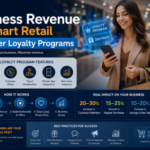
Referral programs are a significant aspect of local marketing strategies, particularly for service-based businesses. These programs encourage satisfied customers to promote your services to friends and family, effectively turning them into brand advocates. To implement an effective referral program, several best practices should be considered to maximize its impact.
Firstly, establishing clear incentives is crucial. Customers are more likely to refer others if there are enticing rewards for doing so. These incentives can take various forms—discounts on future services, cash rewards, or even complimentary add-ons. It is essential to ensure that the rewards are significant enough to motivate customers but also sustainable for the business.
Secondly, the referral process should be straightforward and user-friendly. Complicating the steps for customers can lead to frustration and decreased participation in the program. Providing an easy-to-use referral link or a dedicated section on the business’s website can facilitate the process. Additionally, utilizing social media platforms to promote the referral program can broaden the reach of potential referrals.
Another key element is to measure the program’s success. This involves tracking how many referrals are made, the conversion rate of those referrals into customers, and the overall impact on sales. Analytics tools can provide valuable insights, helping businesses adjust their strategies as needed and ensuring the programs remain effective over time.
Finally, maintaining communication with both referrers and referees can enhance the relationship and encourage more referrals. Thanking customers for their referrals and updating them on their rewards can create a positive feedback loop that solidifies customer loyalty. In essence, well-structured referral programs not only enhance local marketing efforts but also foster a sense of community, strengthening the relationship between businesses and their customers.
Creating Valuable Content for Local Consumers
In the realm of local marketing, the creation of valuable content tailored to local audiences serves as a crucial strategy for service-based businesses. Establishing a strong connection with the community can significantly influence customer engagement and brand loyalty. By focusing on content marketing efforts that resonate with local consumers, businesses can enhance their visibility and foster relationships that encourage repeat patronage.
Various formats exist for presenting this content, each with its advantages and potential for audience engagement. Blogging is a powerful tool that allows businesses to share insights and updates relevant to local interests or issues. Informative articles can position the business as a knowledge leader in the community, attracting visitors who seek reliable information. Furthermore, integrating local keywords into these blogs can improve search engine optimization (SEO), making it easier for potential customers to find the content.
Videos are another compelling content format that can capture the attention of local consumers. Engaging videos that showcase services, community involvement, or customer testimonials can humanize the brand and create a more personal connection. Additionally, infographics can effectively communicate essential data or statistics relevant to the service offered, rendering complex information more digestible and visually appealing.
Furthermore, sharing content on social media platforms can amplify its reach. Tailoring posts to highlight local themes or events can enhance shared relevance, encouraging engagement and interaction from followers. By understanding the local audience’s preferences and needs, businesses can develop content that resonates on a deeper level, fostering a sense of community while simultaneously promoting their services.
Ultimately, crafting valuable content for local consumers involves a thoughtful approach to the preferences and interests of the community. Through strategic use of blogs, videos, and infographics, businesses can effectively engage their audience, enhance their local presence, and drive customer loyalty.
Measuring the Effectiveness of Local Marketing Strategies
Measuring the effectiveness of local marketing strategies is imperative for service-based businesses aiming to optimize their efforts and achieve better results. One of the first steps in assessing these strategies is to establish clear key performance indicators (KPIs). KPIs may vary depending on the business goals, but common metrics include website traffic, conversion rates, customer engagement, and return on investment (ROI). By selecting relevant KPIs, businesses can focus their analysis on metrics that most accurately reflect their local marketing success.
Utilizing the right tools for analysis is equally vital to measuring the success of local marketing initiatives. Tools such as Google Analytics allow businesses to track website traffic and identify user behavior patterns. Additionally, social media analytics can provide insights into audience interaction and engagement, enabling businesses to understand how their local audience responds to marketing campaigns. Customer feedback tools also play a crucial role, as they provide valuable information regarding customer satisfaction and areas for improvement.
Once KPIs are established and analysis tools are in place, businesses should regularly review performance data to gauge the effectiveness of their local marketing strategies. This ongoing evaluation allows for the identification of trends and patterns, which are essential for making data-driven decisions. In some cases, businesses may find certain strategies outperform others, providing opportunities to pivot resources and focus on high-impact initiatives.
Importantly, businesses should not hesitate to adjust their local marketing strategies based on performance data. Continuous improvement should be the goal, and both successful and underperforming initiatives should be analyzed to refine future approaches. By being adaptive and responsive to data insights, service-based businesses can enhance their local marketing efforts, ultimately contributing to greater customer acquisition and retention.