

Introduction to Street Art
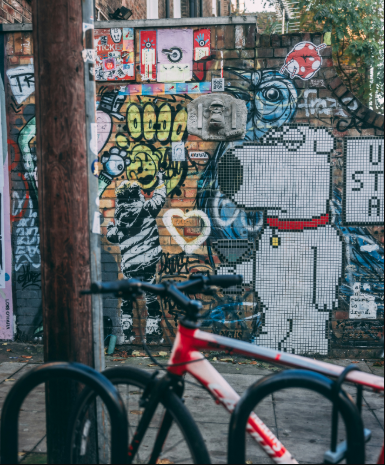
Street art is a dynamic form of artistic expression found in public spaces, often characterized by its accessibility and its dialogue with urban culture. Emerging from the vibrant streets of cities around the world, this art form encompasses a variety of mediums, including murals, graffiti, and installations. Its historical roots can be traced back to ancient civilizations that utilized public spaces for art, but it gained prominence in the modern era during the 1960s and 1970s as a tool for social and political commentary.
The evolution of street art reflects the changing dynamics of society. Initially, it often carried anti-establishment messages, serving as a voice for marginalized communities. Over time, street art transitioned into a more diverse and complex phenomenon, with artists using it to convey personal narratives, cultural commentary, and aesthetics. Traditional graffiti can be seen as a foundational element of street art, a form that utilizes spray paint and markers to create striking visuals and messages on urban surfaces. However, contemporary street art has expanded beyond these roots, blending various techniques and ideas.
Today, it manifests in large-scale murals, ephemeral installations, and even digital expressions, highlighting the power of public art to engage audiences. Artists like Banksy, Shepard Fairey, and Jean-Michel Basquiat have pushed the boundaries of street art, blurring the lines between fine art and public expression. Street art is not merely about aesthetics; it serves as a reflection of the cultural identity of urban areas, illustrating the narratives and challenges that resonate within communities. This intersection between art and urban culture helps foster a deeper appreciation for the lively, complex environments in which we live.
The Evolution of Street Art
The journey of street art can be traced back to underground movements that emerged during the 1960s and 1970s, a period characterized by social upheaval and a growing desire for self-expression among diverse communities. Initially, street art was a means of defiance, a way for marginalized voices to convey messages of resistance against societal norms. Artists employed various techniques, such as tagging, mural painting, and stenciling, to create works that resonated with the public and often conveyed political commentary.

One of the key figures in the evolution of street art was Keith Haring, whose iconic imagery of dancing figures addressed themes of love and social justice. His work began as chalk drawings on empty advertising panels in New York City subway stations, eventually transitioning into large-scale murals that captivated audiences worldwide. The 1980s also saw the emergence of the graffiti movement, primarily led by artists such as Jean-Michel Basquiat and Barry McGee, who brought street art into galleries and began to bridge the gap between the underground and the mainstream.
As street art continued to evolve throughout the 1990s and 2000s, it began to receive recognition as a legitimate form of artistic expression. The global art community started to embrace street art, with events like the biennial ‘Nuart Festival’ in Norway showcasing both established and emerging artists. Street art has diversified significantly, encompassing a wide range of styles and messages, from socially conscious art to purely aesthetic contributions. Today, artists like Banksy take the stage, pushing boundaries and challenging perceptions of what street art can achieve. This evolution marks a significant shift in how society engages with art, transforming street art from a fleeting act of rebellion into a respected and influential domain within contemporary art culture.
Street Art as a Reflection of Culture
Street art stands as a potent visual language, eloquently expressing the cultural narratives, social movements, and political dialogues of urban societies. Unlike traditional art forms, which are often confined within the walls of galleries and museums, street art thrives in public spaces, making it accessible to a broader audience. Its presence in the urban landscape serves as a mirror reflecting the values, struggles, and aspirations of the community it inhabits.
A significant thematic element in street art is its commentary on social and political issues. Artists frequently use murals as a platform to raise awareness about pressing concerns such as inequality, racism, environmental degradation, and more. For instance, the global movement for racial justice has inspired a wave of street art that not only highlights systemic inequalities but also calls for change and solidarity within communities. This capacity to engage the public in vital societal discussions illustrates how street art can play a transformative role in urban culture.
Furthermore, street art encapsulates local culture and identity, often infusing elements from regional history, folklore, and tradition into its designs. Artists draw inspiration from their surroundings, incorporating local symbols and narratives into their work. This connection to place can foster a sense of pride and ownership among residents, turning the streets into a canvas of cultural expression. In many instances, murals commemorate local heroes or pivotal moments in community history, thus reinforcing collective memory.
Moreover, the collaborative nature of street art often involves the engagement of local communities in the creation process, thereby fostering a deeper emotional connection. By inviting participation, artists enhance the relevance of their work, ensuring it resonates with the lived experiences and sentiments of the locals. Through these multifaceted dimensions, street art not only serves as a reflection of culture but also actively influences and shapes the evolving identity of urban environments.
Iconic Street Art Cities
The global street art scene is remarkably vibrant, with certain cities standing out as beacons of creativity and cultural expression. Notable among these urban landscapes are Berlin, New York, and São Paulo, each characterized by its distinct aesthetic and cultural narratives.
Berlin has emerged as a leading hub for street art, post-reunification, allowing artists to redefine public spaces that were once heavily monitored. The city’s streets are adorned with diverse murals that reflect political, social, and personal themes. Influential artists such as Blu and Sebastian Dacy are simply iconic, known for their large-scale works that provoke thought and conversation. Notable pieces can be found on the East Side Gallery, a remnant of the Berlin Wall, where each artwork tells a story of change and resilience.
New York City, often considered the birthplace of graffiti culture, boasts an array of vibrant street art styles. The city’s boroughs are filled with a variety of works, from intricate stencils to explosive murals. Artists like Banksy and Keith Haring have contributed significantly to the city’s artistic landscape, their pieces often commenting on social justice and urban life. The famed 5Pointz was a seminal location for aerosol art before its unfortunate demolition, showcasing the city’s dedication to the street art movement.
São Paulo stands out in South America for its large-scale murals that reflect the life and struggles of its residents. The city’s walls narrate stories of identity, culture, and politics through the works of artists such as Eduardo Kobra and Os Gêmeos. The Beco do Batman alley, with its kaleidoscopic walls, has become a symbol of the creativity thriving in the city, attracting both locals and tourists eager to experience this urban art phenomenon.
The Role of Technology in Street Art
In recent years, technology has significantly reshaped the landscape of street art, providing artists with new avenues for expression and engagement. Social media platforms such as Instagram and TikTok have become essential tools for street artists, allowing them to showcase their work to a global audience instantaneously. Artists can share their creations, document their processes, and engage with followers and fans, transforming the way art is perceived and appreciated in urban environments.
Moreover, digital tools such as graphic design software and digital tablets enable artists to create intricate designs before executing them on physical surfaces. This technology allows for experimentation and iteration, making it easier to visualize ideas in advance. As a result, the precision and creativity of street art have evolved, accommodating both traditional techniques and digital innovations.
Alongside these advancements, the emergence of digital street art has opened up new possibilities for urban expression. Artists are now blending physical murals with digital elements, creating interactive experiences that engage viewers in novel ways. For instance, augmented reality (AR) has introduced layers of interactivity to street art, where viewers can use their smartphones to reveal hidden animations or additional content superimposed on a mural. This fusion of technology and art enhances the urban experience, drawing in participants and encouraging them to explore their surroundings in greater depth.
Furthermore, the use of technology in street art has sparked discussions around ownership and accessibility. With the rise of digital platforms, questions about copyright, the permanence of street art, and the commodification of public art have emerged. As artists continue to adapt to the changing technological landscape, the dialogue surrounding these issues will undoubtedly evolve, further establishing the dynamic nature of street art in urban culture.
Artistic Techniques and Styles in Street Art
Street art is a vibrant expression of creativity, manifesting itself in various techniques and styles that contribute to its rich diversity. One of the most common techniques is spray painting, which has been the backbone of street art since its inception. This method allows artists to cover large surfaces quickly and often incorporates various canister sizes to create detailed and intricate designs. The nature of spray paint also embraces spontaneity, granting street artists the ability to modify their work on the fly, resulting in dynamic pieces that change over time.
Stenciling is another prominent technique in street art. This method involves creating a cut-out template, which the artist can then spray paint over to produce a detailed image. Stencils offer a unique way for artists to reproduce their work multiple times in different locations. The quick application and consistency provided by stenciling lend itself to socio-political commentary, where artists like Banksy have famously utilized this method to convey thought-provoking messages.
Wheat-pasting is yet another style that has gained traction within the street art community. This technique uses a special paste to adhere printed paper artworks onto urban surfaces. Unlike spray paint methods, wheat-pasting presents opportunities for complex, layered visuals, enabling artists to create collages that tell compelling stories. Additionally, the ephemeral nature of street art makes wheat pastes particularly appealing; as time progresses, they may weather and deteriorate, morphing into an evolving piece of public discourse.
Moreover, artists often blend various techniques, incorporating elements like mosaics and 3D installations into their works to push creative boundaries further. This intermingling of diverse artistic styles fosters an inclusive artistic community, encouraging collaboration, inspiration, and innovation. Ultimately, the continually evolving techniques and styles in street art highlight its significance in urban culture, making it a powerful medium for expression.
Legal and Ethical Considerations in Street Art
Street art, a dynamic form of public expression, operates within a complex legal framework that often intersects with issues of vandalism, copyright, and the utilization of public space. In many jurisdictions, street art is considered a form of vandalism if created without permission from property owners. This legal classification presents significant challenges for street artists, who may face fines, community backlash, or even criminal charges for their work. These laws vary greatly across different regions, highlighting the essential need for artists to understand local regulations before initiating a project.
Copyright concerns also play a pivotal role in the street art landscape. Artists often worry about their works being reproduced without consent, raising questions about ownership and the rights of creators over their intellectual property. Some street artists have found innovative ways to address these issues by using social media and legal contracts to assert their rights and promote their works ethically. However, the constantly evolving nature of copyright laws can complicate matters further, making it essential for artists to stay informed about their rights.
Beyond legal issues, there are significant ethical implications surrounding street art. Artists often grapple with the responsibility they hold towards the communities they represent. Street art can offer social commentary, uplift marginalized voices, and facilitate dialogue about pressing social issues. However, it can also elicit mixed reactions from local communities, with some perceiving it as a misappropriation of public space or a violation of neighborhood aesthetics. Hence, ethical street artists should engage with local communities, seeking their input and fostering a dialogue to ensure that their art reflects and respects the cultural landscape.
The Future of Street Art
As urban environments continue to evolve, the future of street art is poised to follow suit, reflecting the changing dynamics of cities and their inhabitants. Emerging trends indicate that street art is likely to gain further recognition within contemporary society, transitioning from an act of rebellion to a celebrated form of artistic expression. As cultural attitudes shift, local governments and communities are increasingly exploring ways to officially integrate street art into urban planning and public spaces. This development not only promotes street artists but also fosters a sense of community identity.
Gentrification plays a significant role in influencing the future landscape of street art. As neighborhoods undergo socioeconomic changes, the original messages and voices represented in street art can be overshadowed or diluted. However, talented artists often adapt and respond to their surroundings, using their work to address issues like displacement and community loss. This ability to comment on social issues ensures that street art remains a vital medium for public discourse, even amidst the challenges posed by gentrification.
Furthermore, advancements in technology are redefining how street artists create and share their work. Digital tools and social media platforms provide avenues for wider exposure, enabling artists to reach global audiences and engage with other creatives around the world. Augmented reality and interactive installations are increasingly being incorporated into street art, allowing for more immersive experiences that resonate with viewers. Such innovations suggest that the future of street art could be an amalgamation of traditional techniques and contemporary digital practices, forging a new path for artistic expression.
Overall, the fate of street art in urban culture will likely depend on the interplay between community engagement, socioeconomic factors, and technological innovations. As artists continue to adapt to their environments, street art will undoubtedly remain a vibrant and relevant aspect of urban culture.
Engaging with Street Art
Engaging with street art can be both an enriching and eye-opening experience, allowing individuals to connect with their city’s culture while appreciating creativity in public spaces. One of the primary ways to find street art is by exploring neighborhoods known for their artistic expressions. Urban areas often have dedicated zones where artists can freely showcase their work. Cities like Berlin, Melbourne, and São Paulo are renowned for their vibrant street art scenes, making them ideal locations for enthusiasts.
To appreciate street art fully, take the time to learn about the artists and the stories behind their works. Many pieces are deeply rooted in local history or community issues, which can provide context that amplifies the viewer’s experience. Social media platforms, like Instagram, are valuable resources where artists share their creations and motivations, creating connections between the community and the vibrant art they produce.
For those inspired to create their own street art, it is crucial to understand local laws regarding public displays. There are often legal avenues for artists to express themselves, such as community mural projects or designated walls. Many cities host workshops where aspiring artists can learn techniques and gain insight into the legal aspects associated with street art creation.
Moreover, supporting local artists is vital to nurturing urban art culture. Purchasing artwork or participating in exhibitions can aid in sustaining the creative ecosystem. Many neighborhoods establish initiatives that advocate for the appreciation and preservation of street art, so contributing to these efforts can help ensure that vibrant expressions continue to thrive.