






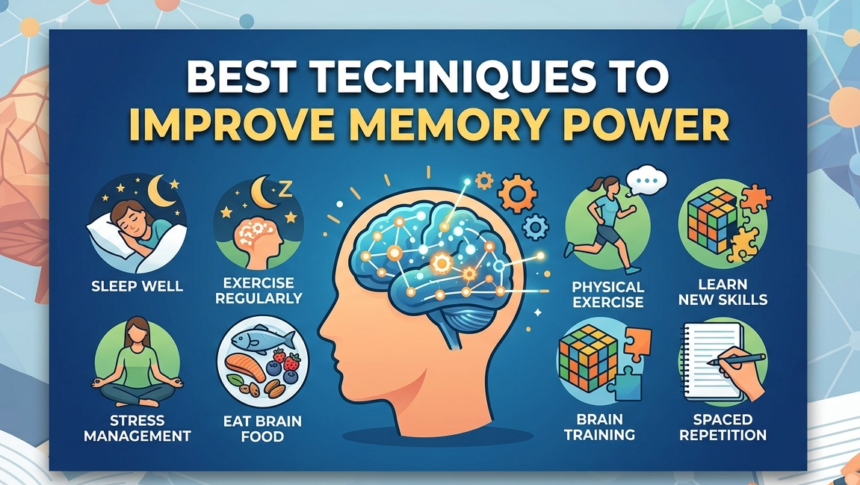
Understanding Memory: The Basics
Memory is a complex cognitive process that enables individuals to encode, store, and retrieve information. It plays a crucial role in shaping our experiences, learning, and identity. To comprehend memory better, it is essential to distinguish between two primary types: short-term memory and long-term memory.
Short-term memory, also known as working memory, refers to the immediate retention of information for a brief period, typically lasting from a few seconds to a minute. This type of memory is responsible for holding onto information that we are currently thinking about or processing. For instance, when one recalls a phone number long enough to dial it, this involves short-term memory.
On the other hand, long-term memory is capable of holding information for extended periods—ranging from hours to an entire lifetime. Long-term memory is further divided into explicit (declarative) memory, which involves facts and events, and implicit (non-declarative) memory, which pertains to skills and habits. The transition from short-term to long-term memory involves processes such as consolidation, where newly acquired information is transformed into a more stable form.
Several cognitive processes come into play during memory encoding, storage, and retrieval. Encoding refers to how information is transformed for storage, often influenced by the depth of processing. Storage involves maintaining encoded information over time, while retrieval is the process of accessing and bringing stored information back into consciousness.



Moreover, various factors can significantly impact memory performance. Age, health conditions such as neurological disorders, emotional states, and even stress levels can influence how effectively we remember and recall information. Understanding these foundational components of memory can provide valuable insights into techniques aimed at enhancing memory power.
The Role of Nutrition in Memory Enhancement
Nutrition plays a pivotal role in enhancing memory and overall brain function. The brain, being a highly active organ, requires a plethora of nutrients to operate optimally. A diet rich in specific nutrients can support cognitive functions and improve memory performance. Among these vital nutrients, omega-3 fatty acids are particularly noteworthy. Found in fatty fish such as salmon and mackerel, omega-3s are integral to maintaining cellular structure in the brain and promoting neuroplasticity, which is crucial for learning and remembering.
Antioxidants also hold significant importance in promoting brain health. Foods rich in antioxidants, including berries, dark chocolate, and green leafy vegetables, help combat oxidative stress—a process linked to cognitive decline. Vitamins, especially B vitamins, vitamin E, and vitamin D, are essential in maintaining neurological health. For instance, vitamin B12 plays a key role in nerve function, while vitamin E serves as an antioxidant that protects brain cells.
Hydration is another critical aspect of nutrition that affects cognitive capabilities. Studies have shown that even mild dehydration can impair concentration and memory. Therefore, maintaining fluid balance by drinking sufficient amounts of water is crucial for optimizing brain function. Furthermore, balanced meals that incorporate a variety of food groups not only provide essential macro and micronutrients but also help stabilize blood sugar levels, which is vital for sustaining attention and improving memory.
Incorporating a diverse range of these beneficial nutrients into the diet can significantly contribute to cognitive health. Regular consumption of brain-boosting foods can enhance learning capacity, improve recall, and support overall mental well-being, making nutrition an integral component in the quest for improved memory power.
Cognitive Training Exercises
Cognitive training exercises are essential tools for enhancing memory power and overall brain functionality. Engaging in activities that stimulate cognitive processes not only aids in memory improvement but also helps maintain mental agility as one ages. Various techniques can be employed to bolster these cognitive capabilities. Puzzles, for instance, are a popular choice; they challenge the brain through problem-solving and require the individual to retain information while focusing on patterns and solutions. Completing crossword puzzles or Sudoku can significantly enhance recall abilities by regularly stimulating the brain.
Memory games also provide effective training for your cognitive faculties. Games designed to test and improve memory often involve matching pairs or recalling a sequence of items, which actively engages different memory systems in the brain. Utilizing apps that focus on brain training is equally beneficial. Many of these applications offer structured exercises that adjust difficulty levels according to the user’s progress, ensuring that the challenges remain effective and engaging. Regularly allocating time to these digital platforms can be especially advantageous for individuals who prefer interactive formats.
Furthermore, it’s vital to understand that consistent mental challenges reinforce neural connections, which play a significant role in enhancing cognitive function. Engaging in activities that require focus and memory retention helps in creating and strengthening these synapses. As the brain adapts to tasks that push cognitive limits, it not only retains information more effectively but also processes it faster. Therefore, integrating cognitive training exercises into daily routines can lead to significant improvements in memory power, ultimately contributing to better overall cognitive health.
Mindfulness and Memory Retention
In recent years, the relationship between mindfulness practices and memory retention has gained significant attention in the fields of psychology and cognitive science. Mindfulness, characterized by present-moment awareness and a non-judgmental approach to thoughts and feelings, has been shown to have a profound impact on cognitive functions, including memory.
One of the primary benefits of mindfulness is its ability to reduce stress. Chronic stress can adversely affect memory by impairing the brain’s ability to encode and retrieve information. Engaging in mindfulness practices, such as meditation, cultivates a sense of calm, effectively mitigating stress and its negative effects on cognitive functioning. By fostering a peaceful mental state, individuals are better positioned to focus on and absorb new information.
Specific techniques, like guided meditation and mindful breathing, play a crucial role in enhancing memory retention. Guided meditation involves listening to an instructor or a recording that leads the practitioner through a structured meditation routine. This technique encourages deep relaxation and enhances concentration, which can significantly aid in the retention of information. Mindful breathing, on the other hand, focuses on the rhythm of one’s breath, serving as a grounding practice that helps clear the mind of distractions. By concentrating solely on their breath, individuals can improve their attentional control, making it easier to remember and process information.
Incorporating these mindfulness techniques into daily routines can bolster memory capabilities. Regular practice not only improves focus and retention but also promotes an overall sense of well-being and mental clarity. The positive correlation between mindfulness and memory retention underscores the value of integrating mindfulness into our everyday lives, particularly in academic and professional settings where memory is paramount.
The Importance of Sleep for Memory Improvement
Sleep plays a pivotal role in the enhancement of memory, acting as a vital contributor to the processes of memory consolidation and retention. Research indicates that the brain utilizes different stages of sleep to solidify the information acquired during waking hours, facilitating long-term memory storage. Specifically, slow-wave sleep (SWS) and REM (Rapid Eye Movement) sleep are critical phases in this process. During SWS, the brain transfers data from short-term to long-term storage, while REM sleep is essential for the integration of complex memories and emotional processing.
The interplay between these sleep stages highlights how crucial adequate sleep is for effective learning and memory recall. Individuals who experience insufficient sleep often report difficulties in concentrating and recalling information, leading to diminished cognitive performance. Optimal performance, both academically and professionally, hinges on achieving the recommended amount of sleep, which varies by age but generally falls between seven to nine hours for adults.
To improve sleep hygiene and ensure better memory outcomes, certain practices can be integrated into one’s daily routine. Establishing a regular sleep schedule, creating a calming pre-sleep environment, and minimizing screen time before bed are all beneficial strategies. Additionally, engaging in relaxation techniques, such as meditation or deep breathing exercises, can promote faster sleep onset and deeper rest.
Napping can also be an advantageous practice for boosting memory. Short naps, lasting 10 to 30 minutes, have been shown to improve alertness and cognitive function without inducing grogginess. Conversely, longer naps that exceed 30 minutes might lead to sleep inertia, negatively impacting cognitive performance. Ultimately, prioritizing sleep hygiene and incorporating healthy sleep habits can lead to significant improvements in memory function and overall cognitive health.
Physical Activity and Its Benefits on Memory
Regular physical exercise is widely recognized for its numerous benefits on overall health, but its impact on memory and cognitive function is particularly noteworthy. Engaging in consistent workouts influences brain health through a mechanism known as neurogenesis—the process where new neurons are formed in the brain. Scientific studies have shown that aerobic exercises, such as running, swimming, and cycling, are particularly effective in promoting neurogenesis, especially in the hippocampus, an area critical for memory formation and recall.
Exercise encourages the release of growth factors like brain-derived neurotrophic factor (BDNF), which plays a vital role in supporting the survival of existing neurons and fostering the growth of new neurons and synapses. Furthermore, physical activity stimulates enhanced blood flow to the brain, ensuring that it receives adequate oxygen and nutrients. This increase in circulation is essential for maintaining optimal cognitive function as one ages.
In terms of specific types of workouts that promote brain health, combining cardiovascular exercises with strength training appears to yield the best results. High-Intensity Interval Training (HIIT) can also be particularly beneficial, as it promotes rapid heart rates, which may stimulate brain activity. Additionally, incorporating balance and flexibility exercises, such as yoga or tai chi, can further support cognitive health by improving mindfulness and mental clarity.
Moreover, the social aspect of physical activity shouldn’t be underestimated. Engaging in group sports or fitness classes can provide social connections that enhance emotional well-being, further supporting cognitive functions. Overall, integrating regular physical activity into one’s lifestyle is not only essential for physical health but is also a powerful strategy for improving memory and cognitive capabilities, ultimately leading to a healthier, more active mind.
Using Mnemonics to Boost Recall
Mnemonic devices are powerful tools that can significantly enhance memory retention and recall. By utilizing these techniques, individuals can convert complex information into more easily digestible forms. One of the most common forms of mnemonics is the use of acronyms, where the first letters of a set of words are combined to create a new word or phrase. For example, in remembering the order of mathematical operations, one could use the acronym PEMDAS, standing for Parentheses, Exponents, Multiplication and Division, Addition and Subtraction. This simple mnemonic allows learners to recall the necessary steps to solve problems efficiently.
Another effective mnemonic strategy involves visualization. By associating information with vivid mental images, learners can create stronger connections that aid memory. For instance, to remember a grocery list, one might visualize a giant cart filled with items, painting a picture of each product in a unique setting. This method leverages the brain’s capacity to retain visual and spatial information, making recall much easier when it comes time to shop.
The loci method, also known as the memory palace technique, is another timeless mnemonic tool. In this method, users visualize a familiar location, such as their home, and assign each piece of information they wish to remember to a specific spot within that location. When attempting to recall the information, they mentally walk through the space, retrieving each item as they reach its designated area. This technique capitalizes on spatial memory, providing an effective framework for organizing and retaining large amounts of information.
These mnemonic strategies demonstrate how tailored memory aids can make the process of learning and recalling information both more efficient and enjoyable. By incorporating such techniques into daily routines, individuals can improve their memory power markedly.
Social Connections and Cognitive Health
Engaging in meaningful social interactions has profound effects on memory and cognitive health. Numerous studies indicate that individuals who maintain strong social networks tend to exhibit better memory retention and cognitive capabilities as they age. The brain benefits from the stimulation provided through regular social engagement, which can include a variety of activities such as simple conversations, shared hobbies, or community events.
The brain operates similarly to a muscle; it needs regular exercise to remain sharp. Social interactions are stimulating, requiring cognitive processing of verbal cues, non-verbal cues, emotional context, and more, all of which promote cognitive function. In fact, engaging in discussions or debates can enhance critical thinking skills and encourage the brain to form new neural connections, which are essential for memory formation.
Moreover, emotional support gained from friendships and social bonds can reduce stress and anxiety levels, factors often linked to cognitive decline. When individuals feel understood and supported, their brains can focus better on retention and recall tasks. Loneliness, conversely, can lead to increased stress, ultimately hindering cognitive performance and memory skills. Thus, fostering relationships and actively participating in social activities not only benefits emotional well-being but also directly influences cognitive health.
In summary, the influence of social interactions on memory and cognitive health cannot be overstated. By maintaining relationships and engaging regularly in social activities, individuals can stimulate their brains, resulting in improved memory retention and enhanced overall cognitive function. Cultivating a vibrant social life can serve as a powerful tool in the pursuit of lasting cognitive health.
Adopting a Positive Mindset for Better Memory
Adopting a positive mindset is crucial for enhancing memory and learning capabilities. A growth-oriented approach influences one’s ability to absorb and recall information more effectively. This concept emphasizes that intelligence and memory can be developed through dedication and hard work, contrary to the belief that these traits are fixed. Individuals can significantly improve their memory power by fostering a belief in their capacity to learn and grow.
One effective strategy for cultivating this positive mindset is to challenge and overcome negative beliefs about memory. Many individuals harbor misconceptions that tend to undermine their confidence in their cognitive abilities. For instance, thoughts such as “I am bad at remembering names” can create a self-fulfilling prophecy. By reframing these beliefs and replacing them with affirmations such as “I am capable of learning and remembering new information,” one can initiate a shift toward a more positive self-perception. This transition is essential for improving memory capacity, as self-doubt can hinder one’s ability to focus and retain knowledge.
Encouraging a culture of lifelong learning is also a vital component of developing a positive attitude toward memory. When individuals view learning as a continuous journey rather than a destination, they are more likely to engage with new information enthusiastically. Activities such as reading, attending workshops, or engaging in discussions with peers can significantly enhance cognitive function. Moreover, adopting a mindset of curiosity can lead to greater motivation in exploring various subjects, further enriching memory development.
Ultimately, a positive attitude is foundational in memory improvement endeavors. By actively working to challenge negative thoughts and embrace growth, individuals will find themselves better equipped to enhance their memory power and learning capabilities.